Buy i8.eu ?
We are moving the project
i8.eu .
Are you interested in purchasing the domain
i8.eu ?
domain@kv-gmbh.de · 0541-91531010
Buy i8.eu ?
How do you calculate the braking distance, the braking process, and the braking deceleration?
The braking distance can be calculated using the formula: braking distance = (initial velocity^2) / (2 * deceleration), where the deceleration is the rate at which the vehicle slows down. The braking process involves the driver applying the brakes, which causes friction between the brake pads and the wheels, leading to a decrease in the vehicle's speed. The braking deceleration can be calculated by dividing the change in velocity by the time it takes for the vehicle to come to a complete stop. **
How do you calculate the braking time and braking distance?
Braking time and braking distance can be calculated using the formula: Braking distance = (initial velocity^2) / (2 * deceleration) Where initial velocity is the speed of the vehicle before braking, and deceleration is the rate at which the vehicle slows down. Braking time can be calculated by dividing the braking distance by the initial velocity. These calculations are based on the assumption of constant deceleration, and may vary depending on factors such as road conditions and the vehicle's braking system. **

Similar search terms for Braking
Top-Angebote
Products related to Braking:
-
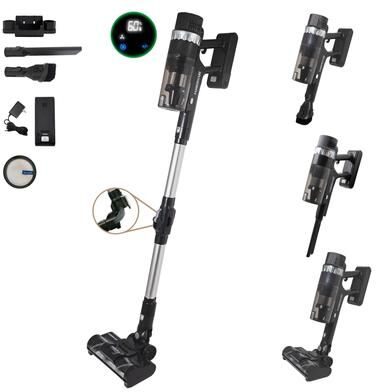
Farberware Cordless Platinum Stick Vacuum Cleaner, Smart Sensor Technology for Carpet and Hard Floors, Bendable DesignFarberware Cordless Platinum Stick Vacuum Cleaner, Smart Sensor Technology for Carpet and Hard Floors, Bendable Design, Converts to Handheld Vacuum Description: Life is messy, but with Farberware’s Cordless Platinum Stick Vacuum, you can tackle every…147,49 $*Shipping: 0,00 $Secure redirect to the provider
-
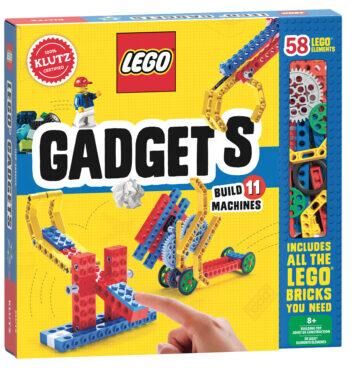
Klutz: LEGO GadgetsThis activity kit will have you building 11 machines including a gravity powered car and a wacky boxing robot. The fun doesn't stop once you've completed all of the projects in the book - open-ended prompts will inspire you to continue experimenting...24,99 $*Shipping: 0,00 $Secure redirect to the provider
-
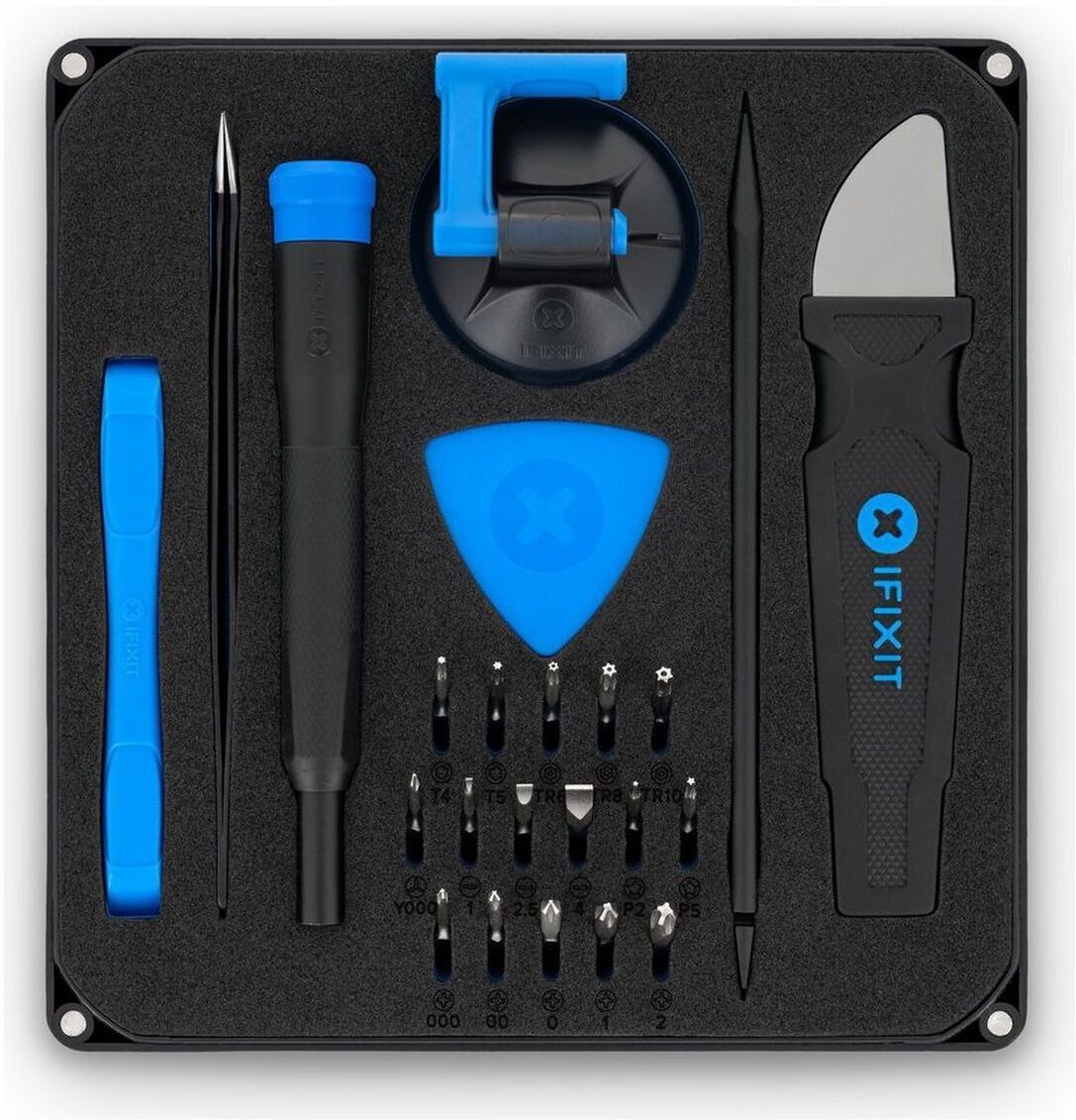
iFixit Essential Electronics ToolkitThe iFixit Essential Electronics Toolkit is a compact starter repair kit for phones, tablets, laptops, game consoles and other small electronics. It includes a precision bit driver with 16 precision bits plus the basic opening and prying tools needed for common repairs such as screen and battery replacements.40,99 £*Shipping: 0,00 £Secure redirect to the provider
-
Smart Shopping Spot Household Kitchen Gadgets, Condiment Bowl Dip Clip, Multi purpose Sauce Dish, Vinegar Seasoning Container Household Kitchen Gadgets, Condiment Bowl Dip Clip, Multi purpose Sauce Dish, Vinegar Seasoning ContainerConvenient and Multifunctional Design: Introducing the 4pcs Condiment Bowl Dip Clip, an essential addition to your kitchen gadgets collection. This versatile sauce dish is perfect for holding everything from tomato sauce to vinegar, making it an...29,97 $*Shipping: 0,00 $Secure redirect to the provider

-
What are the differences between braking to walking speed and braking?
Braking to walking speed typically involves gradually reducing speed until coming to a complete stop, whereas braking refers to the act of slowing down a moving vehicle. When braking to walking speed, the goal is to smoothly decelerate without any sudden stops, while braking may involve more forceful actions to slow down quickly. Additionally, braking to walking speed is often used in situations where a vehicle needs to stop at a precise location, such as at a crosswalk or intersection. **
-
How do you calculate braking time and braking distance in physics?
In physics, braking time and braking distance can be calculated using the equations of motion and the principles of kinematics. The braking time can be calculated using the equation t = v/u, where t is the braking time, v is the final velocity, and u is the initial velocity. The braking distance can be calculated using the equation d = (v^2 - u^2) / (2a), where d is the braking distance and a is the deceleration. These equations take into account the initial and final velocities, as well as the deceleration of the object to determine the braking time and distance. **
-
Is braking a reflex?
Braking can be considered a reflex in certain situations. When a driver reacts to a sudden obstacle or hazard on the road by immediately pressing the brake pedal, it can be seen as a reflexive action. This is because the response is automatic and occurs without conscious thought. However, braking can also be a learned behavior, as drivers are trained to use their brakes in specific situations through practice and experience. Therefore, while braking can be a reflex in some cases, it can also be a learned and intentional action. **
-
What is the difference between a full braking and an emergency braking?
Full braking refers to applying the brakes with maximum force in a controlled manner to slow down or stop the vehicle. This can be done in response to normal traffic conditions or when approaching a stop sign or traffic light. On the other hand, emergency braking is a sudden and forceful application of the brakes in response to an unexpected hazard or danger, such as a pedestrian stepping into the road or a vehicle suddenly stopping in front. Emergency braking is typically done to avoid a collision and requires quick reflexes and a strong, immediate response from the driver. **

What is the formula for braking acceleration and braking time in physics?
The formula for braking acceleration is given by \( a = \frac{v_f - v_i}{t} \), where \( a \) is the braking acceleration, \( v_f \) is the final velocity, \( v_i \) is the initial velocity, and \( t \) is the time taken to come to a stop. The formula for braking time can be calculated using the equation \( t = \frac{v_f - v_i}{a} \), where \( t \) is the braking time. These formulas are used to calculate the rate at which an object slows down when braking. **
What is the difference between braking with a clutch and braking without?
Braking with a clutch involves pressing the clutch pedal while simultaneously applying the brakes, which disengages the engine from the transmission and allows the vehicle to coast to a stop. This method is often used in manual transmission vehicles to prevent stalling. On the other hand, braking without using the clutch means simply applying the brakes without disengaging the engine from the transmission, which can cause the vehicle to stall if the engine speed drops too low. In summary, the main difference is that braking with a clutch allows the vehicle to coast to a stop without stalling, while braking without the clutch can potentially lead to stalling if not done properly. **
Top-Angebote
Products related to Braking:
-
Heckler Design H780-BG Classroom Credenza Mk II Smart Technology Mount - Black GreyClassroom Credenza MK II Smart Technology Mount Delivering an exceptional audio-visual experience for both in-class and distance learning demands a substantial amount of hardware. Deploying this hardware across hundreds of classrooms quickly can be a daunting task. The Heckler Classroom Credenza Mk II simplifies this process by allowing hardware to be pre-configured at a central location, enabling swift and efficient mass deployment. Every Classroom Credenza includes two console insert locations and comes with a blank plate console insert and laptop shelf console insert to get you started. FeaturesDesigned to complement any learning spaceSet up comfortably, wherever you work8 RU storage and moreLeverage existing wall outlets no electrician requiredBuilt for today?s tech and tomorrow?sQuick installation, streamlined workflowLockable front panelBuilt-in D-style mountingSmart cooling, with optional fan suppo2317,99 £*Shipping: 0,00 £Secure redirect to the provider
-
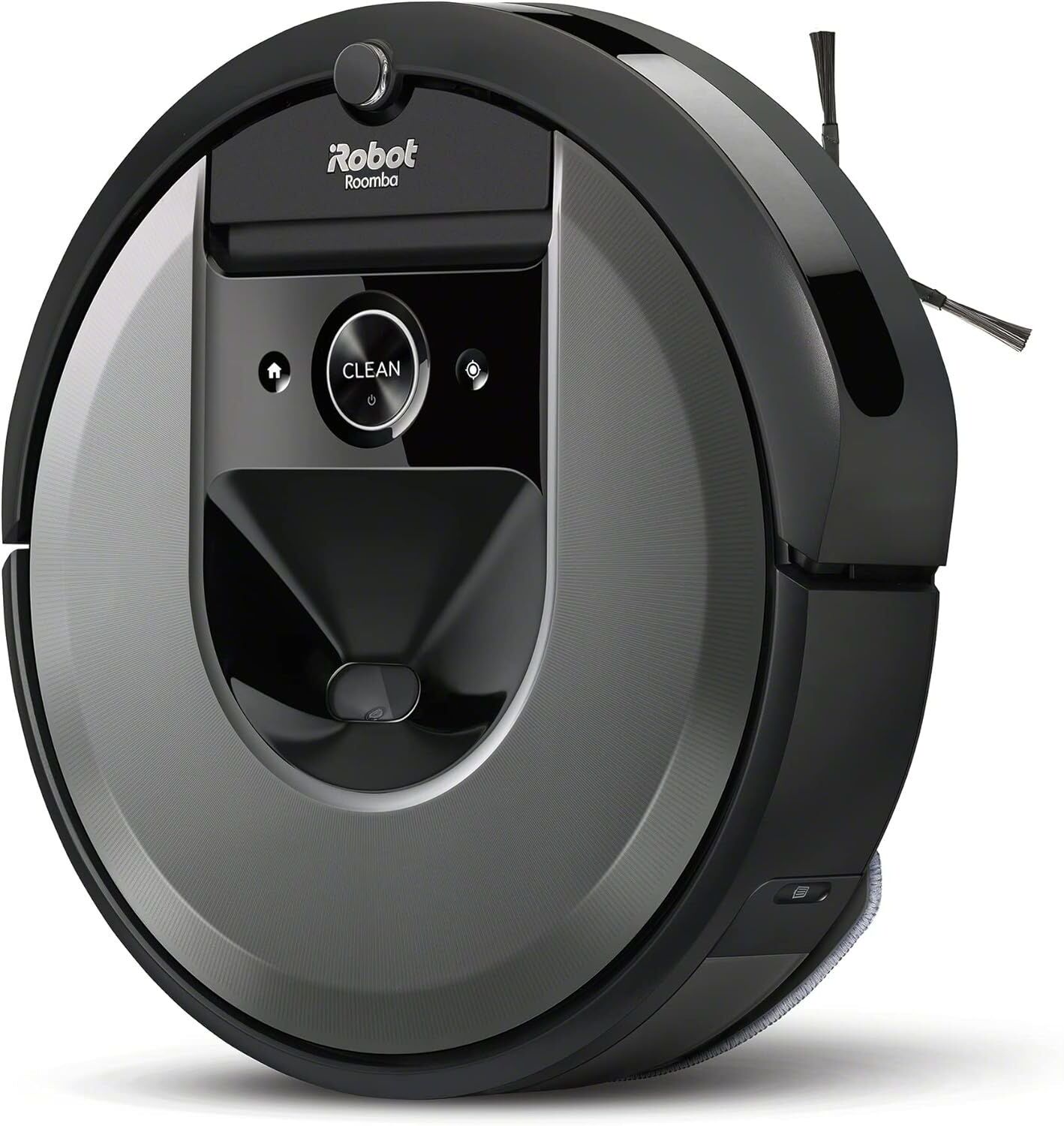
iRobot Roomba Combo i8 Robot Vacuum & Mop – Smart Mapping, Alexa Compatible, New - Outer Box DamagedOverview: The Roomba Combo i8 is designed to handle both vacuuming and mopping in a single run, saving you time while ensuring thorough results. Featuring advanced smart mapping technology, it learns and adapts to your home, allowing you to set cleaning schedules, select specific rooms, and avoid restricted zones. Compatible with Alexa and Google Assistant, you can control it hands-free for ultimate convenience. Key Features: 2-in-1 Cleaning – Vacuums and mops simultaneously. Smart Mapping – Learns your home’s layout for room-by-room cleaning. Voice Control – Works with Alexa and Google Assistant. Powerful Suction – Picks up dirt, dust, and pet hair with ease. Customisable Cleaning – Schedule, target rooms, or set no-go zones. Multi-Surface Cleaning – Ideal for carpets, hard floors, and tiles. Recharge & Resume – Automatically recharges and continues cleaning. App Control – Full customisation and updates via the iRobot Home App. Product Description: The iRobot Roomba Combo i8 Robot Vacuum and Mop combines powerful suction with intelligent mopping to deliver a deeper clean across your home. Its dual functionality allows it to vacuum and mop simultaneously, making it perfect for busy households. With smart mapping, you can direct the robot to clean specific rooms or avoid certain areas. Voice assistant support via Alexa or Google Assistant provides effortless control, while the iRobot Home App lets you schedule and customise cleaning sessions anytime. Designed to handle dirt, dust, and pet hair, the Roomba Combo i8 ensures a cleaner, fresher home with ease.299,00 £*Shipping: 0,00 £Secure redirect to the provider
-
Farberware Cordless Platinum Stick Vacuum Cleaner, Smart Sensor Technology for Carpet and Hard Floors, Bendable DesignFarberware Cordless Platinum Stick Vacuum Cleaner, Smart Sensor Technology for Carpet and Hard Floors, Bendable Design, Converts to Handheld Vacuum Description: Life is messy, but with Farberware’s Cordless Platinum Stick Vacuum, you can tackle every…147,49 $*Shipping: 0,00 $Secure redirect to the provider
-
Klutz: LEGO GadgetsThis activity kit will have you building 11 machines including a gravity powered car and a wacky boxing robot. The fun doesn't stop once you've completed all of the projects in the book - open-ended prompts will inspire you to continue experimenting...24,99 $*Shipping: 0,00 $Secure redirect to the provider
-
How do you calculate the braking distance, the braking process, and the braking deceleration?
The braking distance can be calculated using the formula: braking distance = (initial velocity^2) / (2 * deceleration), where the deceleration is the rate at which the vehicle slows down. The braking process involves the driver applying the brakes, which causes friction between the brake pads and the wheels, leading to a decrease in the vehicle's speed. The braking deceleration can be calculated by dividing the change in velocity by the time it takes for the vehicle to come to a complete stop. **
-
How do you calculate the braking time and braking distance?
Braking time and braking distance can be calculated using the formula: Braking distance = (initial velocity^2) / (2 * deceleration) Where initial velocity is the speed of the vehicle before braking, and deceleration is the rate at which the vehicle slows down. Braking time can be calculated by dividing the braking distance by the initial velocity. These calculations are based on the assumption of constant deceleration, and may vary depending on factors such as road conditions and the vehicle's braking system. **
-
What are the differences between braking to walking speed and braking?
Braking to walking speed typically involves gradually reducing speed until coming to a complete stop, whereas braking refers to the act of slowing down a moving vehicle. When braking to walking speed, the goal is to smoothly decelerate without any sudden stops, while braking may involve more forceful actions to slow down quickly. Additionally, braking to walking speed is often used in situations where a vehicle needs to stop at a precise location, such as at a crosswalk or intersection. **
-
How do you calculate braking time and braking distance in physics?
In physics, braking time and braking distance can be calculated using the equations of motion and the principles of kinematics. The braking time can be calculated using the equation t = v/u, where t is the braking time, v is the final velocity, and u is the initial velocity. The braking distance can be calculated using the equation d = (v^2 - u^2) / (2a), where d is the braking distance and a is the deceleration. These equations take into account the initial and final velocities, as well as the deceleration of the object to determine the braking time and distance. **
Similar search terms for Braking
-
iFixit Essential Electronics ToolkitThe iFixit Essential Electronics Toolkit is a compact starter repair kit for phones, tablets, laptops, game consoles and other small electronics. It includes a precision bit driver with 16 precision bits plus the basic opening and prying tools needed for common repairs such as screen and battery replacements.40,99 £*Shipping: 0,00 £Secure redirect to the provider
-
Smart Shopping Spot Household Kitchen Gadgets, Condiment Bowl Dip Clip, Multi purpose Sauce Dish, Vinegar Seasoning Container Household Kitchen Gadgets, Condiment Bowl Dip Clip, Multi purpose Sauce Dish, Vinegar Seasoning ContainerConvenient and Multifunctional Design: Introducing the 4pcs Condiment Bowl Dip Clip, an essential addition to your kitchen gadgets collection. This versatile sauce dish is perfect for holding everything from tomato sauce to vinegar, making it an...29,97 $*Shipping: 0,00 $Secure redirect to the provider
-
Sesderma Reti Age 5 Liposomal Serum Anti-Aging Innovation 30mLA facial serum for wrinkles and signs of ageing. Reduces wrinkles and fine lines. Hydrates and strengthens barrier. Restores youthful radiance. 5-Retinoid System: smooths wrinkles, accelerates renewal, and boosts collagen. Biomimetic Peptides: fill expression lines by stimulating collagen synthesis.54,51 £*Shipping: 5,34 £Secure redirect to the provider
-
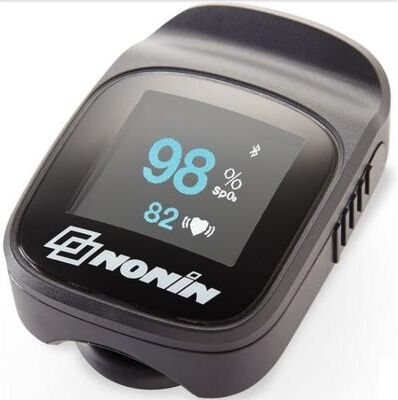
Nonin Medical NoninConnect™ Finger Pulse Oximeter with Bluetooth® Smart Wireless Technology""" NoninConnect ™ Finger Pulse Oximeter with Bluetooth ® Smart Wireless Technology for Clinicians and Patients Nonin 3245 The NoninConnect™ finger pulse oximeter is made with the same medical-grade pulse oximetry technology used in professional Nonin..."299,00 $*Shipping: 0,00 $Secure redirect to the provider
-
Is braking a reflex?
Braking can be considered a reflex in certain situations. When a driver reacts to a sudden obstacle or hazard on the road by immediately pressing the brake pedal, it can be seen as a reflexive action. This is because the response is automatic and occurs without conscious thought. However, braking can also be a learned behavior, as drivers are trained to use their brakes in specific situations through practice and experience. Therefore, while braking can be a reflex in some cases, it can also be a learned and intentional action. **
-
What is the difference between a full braking and an emergency braking?
Full braking refers to applying the brakes with maximum force in a controlled manner to slow down or stop the vehicle. This can be done in response to normal traffic conditions or when approaching a stop sign or traffic light. On the other hand, emergency braking is a sudden and forceful application of the brakes in response to an unexpected hazard or danger, such as a pedestrian stepping into the road or a vehicle suddenly stopping in front. Emergency braking is typically done to avoid a collision and requires quick reflexes and a strong, immediate response from the driver. **
-
What is the formula for braking acceleration and braking time in physics?
The formula for braking acceleration is given by \( a = \frac{v_f - v_i}{t} \), where \( a \) is the braking acceleration, \( v_f \) is the final velocity, \( v_i \) is the initial velocity, and \( t \) is the time taken to come to a stop. The formula for braking time can be calculated using the equation \( t = \frac{v_f - v_i}{a} \), where \( t \) is the braking time. These formulas are used to calculate the rate at which an object slows down when braking. **
-
What is the difference between braking with a clutch and braking without?
Braking with a clutch involves pressing the clutch pedal while simultaneously applying the brakes, which disengages the engine from the transmission and allows the vehicle to coast to a stop. This method is often used in manual transmission vehicles to prevent stalling. On the other hand, braking without using the clutch means simply applying the brakes without disengaging the engine from the transmission, which can cause the vehicle to stall if the engine speed drops too low. In summary, the main difference is that braking with a clutch allows the vehicle to coast to a stop without stalling, while braking without the clutch can potentially lead to stalling if not done properly. **
* All prices are inclusive of VAT and, if applicable, plus shipping costs. The offer information is based on the details provided by the respective shop and is updated through automated processes. Real-time updates do not occur, so deviations can occur in individual cases. ** Note: Parts of this content were created by AI.