Buy i8.eu ?
We are moving the project
i8.eu .
Are you interested in purchasing the domain
i8.eu ?
domain@kv-gmbh.de · 0541-91531010
Buy i8.eu ?
What is grammatically correct: Cogito ergo sum or Ego cogito ergo sum?
The grammatically correct phrase is "Cogito ergo sum." This is the original Latin phrase coined by philosopher René Descartes, which translates to "I think, therefore I am." The phrase emphasizes the primacy of thought and self-awareness in establishing one's existence. **
What was Nietzsche's objection to Cogito ergo sum?
Nietzsche's objection to Cogito ergo sum, or "I think, therefore I am," stems from his belief that the self is not a fixed entity but rather a fluid and ever-changing construct. He argued that the idea of a stable and unified self, as implied by Descartes' statement, is an illusion. Nietzsche believed that the self is a product of various conflicting forces and influences, and that there is no essential core or unchanging identity to be found within it. Therefore, he rejected the notion that one's existence can be proven simply through the act of thinking. **

Similar search terms for Cogito
Top-Angebote
Products related to Cogito:
-
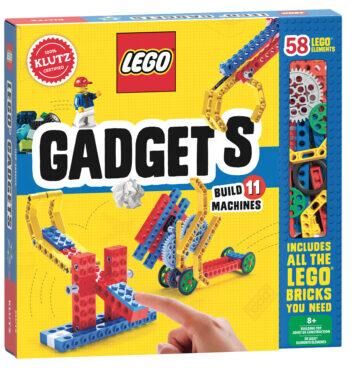
Klutz: LEGO GadgetsThis activity kit will have you building 11 machines including a gravity powered car and a wacky boxing robot. The fun doesn't stop once you've completed all of the projects in the book - open-ended prompts will inspire you to continue experimenting...24,99 $*Shipping: 0,00 $Secure redirect to the provider
-
iFixit Essential Electronics ToolkitThe iFixit Essential Electronics Toolkit is a compact starter repair kit for phones, tablets, laptops, game consoles and other small electronics. It includes a precision bit driver with 16 precision bits plus the basic opening and prying tools needed for common repairs such as screen and battery replacements.40,99 £*Shipping: 0,00 £Secure redirect to the provider
-
Sesderma Reti Age 5 Liposomal Serum Anti-Aging Innovation 30mLA facial serum for wrinkles and signs of ageing. Reduces wrinkles and fine lines. Hydrates and strengthens barrier. Restores youthful radiance. 5-Retinoid System: smooths wrinkles, accelerates renewal, and boosts collagen. Biomimetic Peptides: fill expression lines by stimulating collagen synthesis.41,69 £*Shipping: 5,34 £Secure redirect to the provider
-
Smart Shopping Spot Household Kitchen Gadgets, Condiment Bowl Dip Clip, Multi purpose Sauce Dish, Vinegar Seasoning Container Household Kitchen Gadgets, Condiment Bowl Dip Clip, Multi purpose Sauce Dish, Vinegar Seasoning ContainerConvenient and Multifunctional Design: Introducing the 4pcs Condiment Bowl Dip Clip, an essential addition to your kitchen gadgets collection. This versatile sauce dish is perfect for holding everything from tomato sauce to vinegar, making it an...29,97 $*Shipping: 0,00 $Secure redirect to the provider



-
Do you find the Cogito ergo sum convincing?
As an AI language model, I don't have personal beliefs or experiences, but I can provide information. The phrase "Cogito ergo sum" (I think, therefore I am) is a fundamental concept in the philosophy of René Descartes. It suggests that the act of thinking proves one's existence. Some find this argument convincing because it provides a starting point for knowledge and certainty. Others may find it unconvincing because it relies on the assumption that thinking is the only way to prove existence, and it doesn't account for non-thinking beings. Ultimately, the persuasiveness of the Cogito ergo sum depends on one's philosophical perspective. **
-
Does anyone have a good term paper topic on the Cogito argument?
One potential term paper topic on the Cogito argument could be an analysis of its implications for the nature of self and consciousness. You could explore how Descartes' assertion "I think, therefore I am" shapes our understanding of the self and its relationship to thought. Another interesting angle could be to examine criticisms of the Cogito argument and evaluate whether it truly provides a solid foundation for knowledge. Additionally, you could investigate how the Cogito argument has influenced modern philosophy and its relevance in contemporary discussions on the mind-body problem. **
-
What is the difference between Cogito ergo sum and Dubito ergo sum?
The phrase "Cogito ergo sum" is a Latin phrase meaning "I think, therefore I am," which was famously coined by philosopher René Descartes. This phrase represents Descartes' assertion that the act of thinking proves one's existence. On the other hand, "Dubito ergo sum" is a Latin phrase meaning "I doubt, therefore I am." This phrase is a play on Descartes' original statement, and it emphasizes the role of doubt in the process of self-awareness and existence. While "Cogito ergo sum" focuses on the act of thinking, "Dubito ergo sum" emphasizes the act of doubting as a means of affirming one's existence. **
-
Does anyone have a good term paper topic for the Cogito argument?
One potential term paper topic for the Cogito argument could be an analysis of the implications of Descartes' famous statement "I think, therefore I am" on the nature of self and consciousness. This could involve exploring the relationship between thinking and existence, as well as the implications for the mind-body problem and the nature of reality. Another potential topic could be a critical evaluation of the Cogito argument in the context of contemporary philosophy, considering objections and alternative perspectives on the nature of self-awareness and existence. Finally, a term paper could explore the historical and cultural significance of the Cogito argument, examining its impact on the development of modern philosophy and its influence on broader intellectual and cultural movements. **


I don't understand the steps Descartes goes through to reach the conclusion Cogito ergo sum.
Descartes begins by doubting everything he knows in order to find a foundation of certainty. He realizes that even if he doubts everything, he cannot doubt the fact that he is doubting, which leads him to the realization that he must exist as a thinking thing. This leads to his famous conclusion, "Cogito, ergo sum," meaning "I think, therefore I am," asserting that his ability to doubt and think proves his existence as a thinking being. **
What is the history of Ego cogito ergo sum or I think, therefore I am?
The phrase "Cogito, ergo sum" or "I think, therefore I am" was famously coined by the French philosopher René Descartes in his work "Discourse on the Method" in 1637. Descartes used this statement as a foundational element in his philosophy to establish certainty in knowledge. He argued that doubt could be cast on everything except the act of doubting itself, which requires a thinking entity. This led him to conclude that the existence of a thinking self, or ego, is indubitable. The phrase has since become a fundamental concept in Western philosophy and epistemology. **
Top-Angebote
Products related to Cogito:
-
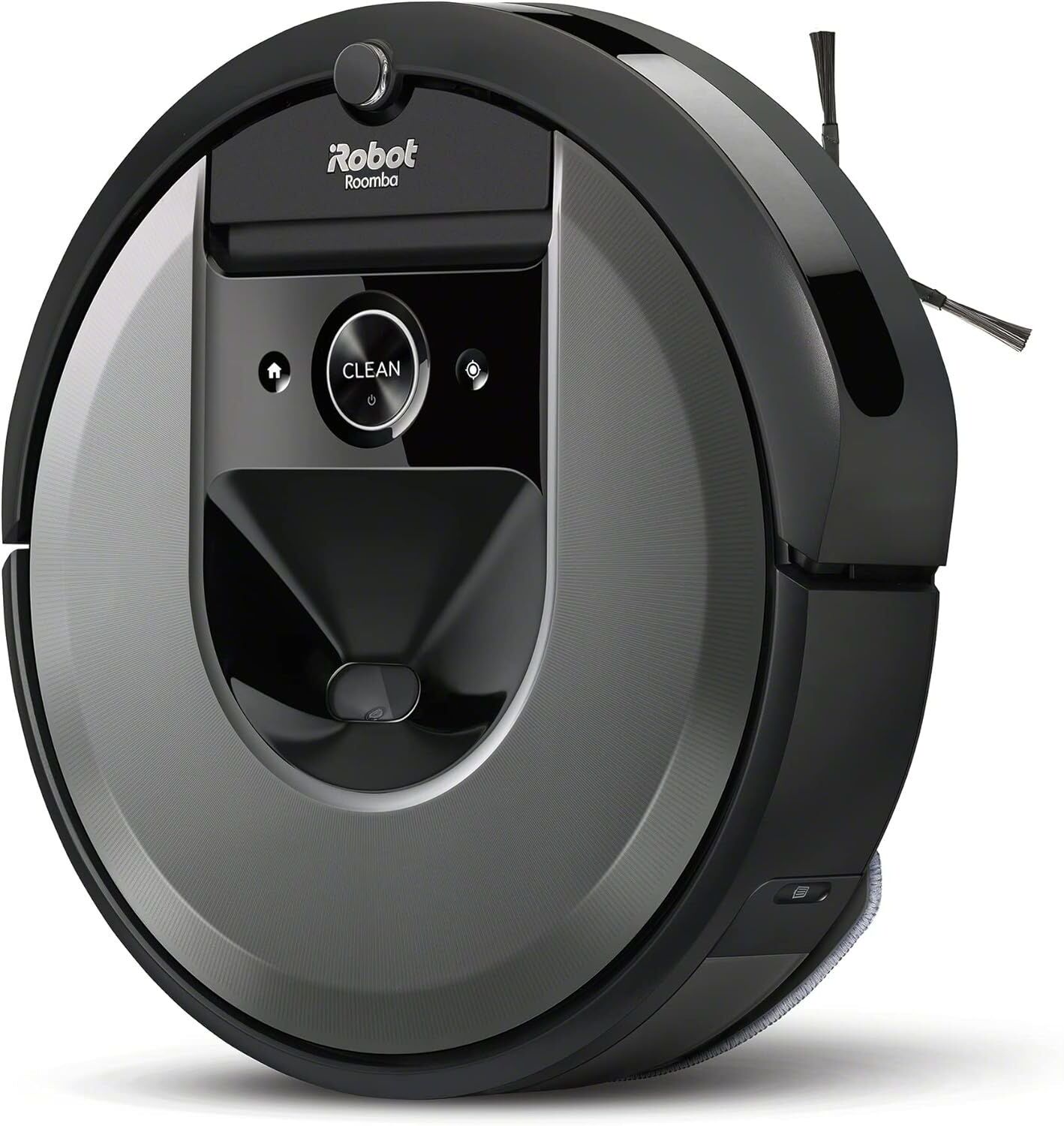
iRobot Roomba Combo i8 Robot Vacuum & Mop – Smart Mapping, Alexa Compatible, New - Outer Box DamagedOverview: The Roomba Combo i8 is designed to handle both vacuuming and mopping in a single run, saving you time while ensuring thorough results. Featuring advanced smart mapping technology, it learns and adapts to your home, allowing you to set cleaning schedules, select specific rooms, and avoid restricted zones. Compatible with Alexa and Google Assistant, you can control it hands-free for ultimate convenience. Key Features: 2-in-1 Cleaning – Vacuums and mops simultaneously. Smart Mapping – Learns your home’s layout for room-by-room cleaning. Voice Control – Works with Alexa and Google Assistant. Powerful Suction – Picks up dirt, dust, and pet hair with ease. Customisable Cleaning – Schedule, target rooms, or set no-go zones. Multi-Surface Cleaning – Ideal for carpets, hard floors, and tiles. Recharge & Resume – Automatically recharges and continues cleaning. App Control – Full customisation and updates via the iRobot Home App. Product Description: The iRobot Roomba Combo i8 Robot Vacuum and Mop combines powerful suction with intelligent mopping to deliver a deeper clean across your home. Its dual functionality allows it to vacuum and mop simultaneously, making it perfect for busy households. With smart mapping, you can direct the robot to clean specific rooms or avoid certain areas. Voice assistant support via Alexa or Google Assistant provides effortless control, while the iRobot Home App lets you schedule and customise cleaning sessions anytime. Designed to handle dirt, dust, and pet hair, the Roomba Combo i8 ensures a cleaner, fresher home with ease.299,00 £*Shipping: 0,00 £Secure redirect to the provider
-
Farberware Cordless Platinum Stick Vacuum Cleaner, Smart Sensor Technology for Carpet and Hard Floors, Bendable DesignFarberware Cordless Platinum Stick Vacuum Cleaner, Smart Sensor Technology for Carpet and Hard Floors, Bendable Design, Converts to Handheld Vacuum Description: Life is messy, but with Farberware’s Cordless Platinum Stick Vacuum, you can tackle every…155,99 $*Shipping: 0,00 $Secure redirect to the provider
-
Klutz: LEGO GadgetsThis activity kit will have you building 11 machines including a gravity powered car and a wacky boxing robot. The fun doesn't stop once you've completed all of the projects in the book - open-ended prompts will inspire you to continue experimenting...24,99 $*Shipping: 0,00 $Secure redirect to the provider
-
iFixit Essential Electronics ToolkitThe iFixit Essential Electronics Toolkit is a compact starter repair kit for phones, tablets, laptops, game consoles and other small electronics. It includes a precision bit driver with 16 precision bits plus the basic opening and prying tools needed for common repairs such as screen and battery replacements.40,99 £*Shipping: 0,00 £Secure redirect to the provider
-
What is grammatically correct: Cogito ergo sum or Ego cogito ergo sum?
The grammatically correct phrase is "Cogito ergo sum." This is the original Latin phrase coined by philosopher René Descartes, which translates to "I think, therefore I am." The phrase emphasizes the primacy of thought and self-awareness in establishing one's existence. **
-
What was Nietzsche's objection to Cogito ergo sum?
Nietzsche's objection to Cogito ergo sum, or "I think, therefore I am," stems from his belief that the self is not a fixed entity but rather a fluid and ever-changing construct. He argued that the idea of a stable and unified self, as implied by Descartes' statement, is an illusion. Nietzsche believed that the self is a product of various conflicting forces and influences, and that there is no essential core or unchanging identity to be found within it. Therefore, he rejected the notion that one's existence can be proven simply through the act of thinking. **
-
Do you find the Cogito ergo sum convincing?
As an AI language model, I don't have personal beliefs or experiences, but I can provide information. The phrase "Cogito ergo sum" (I think, therefore I am) is a fundamental concept in the philosophy of René Descartes. It suggests that the act of thinking proves one's existence. Some find this argument convincing because it provides a starting point for knowledge and certainty. Others may find it unconvincing because it relies on the assumption that thinking is the only way to prove existence, and it doesn't account for non-thinking beings. Ultimately, the persuasiveness of the Cogito ergo sum depends on one's philosophical perspective. **
-
Does anyone have a good term paper topic on the Cogito argument?
One potential term paper topic on the Cogito argument could be an analysis of its implications for the nature of self and consciousness. You could explore how Descartes' assertion "I think, therefore I am" shapes our understanding of the self and its relationship to thought. Another interesting angle could be to examine criticisms of the Cogito argument and evaluate whether it truly provides a solid foundation for knowledge. Additionally, you could investigate how the Cogito argument has influenced modern philosophy and its relevance in contemporary discussions on the mind-body problem. **
Similar search terms for Cogito
-
Sesderma Reti Age 5 Liposomal Serum Anti-Aging Innovation 30mLA facial serum for wrinkles and signs of ageing. Reduces wrinkles and fine lines. Hydrates and strengthens barrier. Restores youthful radiance. 5-Retinoid System: smooths wrinkles, accelerates renewal, and boosts collagen. Biomimetic Peptides: fill expression lines by stimulating collagen synthesis.41,69 £*Shipping: 5,34 £Secure redirect to the provider
-
Smart Shopping Spot Household Kitchen Gadgets, Condiment Bowl Dip Clip, Multi purpose Sauce Dish, Vinegar Seasoning Container Household Kitchen Gadgets, Condiment Bowl Dip Clip, Multi purpose Sauce Dish, Vinegar Seasoning ContainerConvenient and Multifunctional Design: Introducing the 4pcs Condiment Bowl Dip Clip, an essential addition to your kitchen gadgets collection. This versatile sauce dish is perfect for holding everything from tomato sauce to vinegar, making it an...29,97 $*Shipping: 0,00 $Secure redirect to the provider
-
HARPERCOLLINS Creative Confidence by Tom & David Kelley – Unleashing Your Creative Potential & Innovation MindsetA powerful and inspiring book from the founders of IDEO, the award-winning design firm, on unleashing the creativity that lies within each and every one of us. Too often, companies and individuals assume that creativity and innovation are the domain of the ‘creative types’. But two of the foremost experts in innovation, design and creativity on the planet show us that each and every one of us is creative. In an entertaining and inspiring narrative that draws on countless stories from their work at IDEO, and with many of the world's top companies and design firms, David and Tom Kelley identify the principles and strategies that will allow us to tap into our creative potential in our work lives, and in our personal lives, allow us to think outside the box in terms of how we approach and solve problems. ‘Creative Confidence’ is a book that will help each of us be more productive and successful in our lives and in our careers.4,95 £*Shipping: 1,99 £Secure redirect to the provider
-
What is the difference between Cogito ergo sum and Dubito ergo sum?
The phrase "Cogito ergo sum" is a Latin phrase meaning "I think, therefore I am," which was famously coined by philosopher René Descartes. This phrase represents Descartes' assertion that the act of thinking proves one's existence. On the other hand, "Dubito ergo sum" is a Latin phrase meaning "I doubt, therefore I am." This phrase is a play on Descartes' original statement, and it emphasizes the role of doubt in the process of self-awareness and existence. While "Cogito ergo sum" focuses on the act of thinking, "Dubito ergo sum" emphasizes the act of doubting as a means of affirming one's existence. **
-
Does anyone have a good term paper topic for the Cogito argument?
One potential term paper topic for the Cogito argument could be an analysis of the implications of Descartes' famous statement "I think, therefore I am" on the nature of self and consciousness. This could involve exploring the relationship between thinking and existence, as well as the implications for the mind-body problem and the nature of reality. Another potential topic could be a critical evaluation of the Cogito argument in the context of contemporary philosophy, considering objections and alternative perspectives on the nature of self-awareness and existence. Finally, a term paper could explore the historical and cultural significance of the Cogito argument, examining its impact on the development of modern philosophy and its influence on broader intellectual and cultural movements. **
-
I don't understand the steps Descartes goes through to reach the conclusion Cogito ergo sum.
Descartes begins by doubting everything he knows in order to find a foundation of certainty. He realizes that even if he doubts everything, he cannot doubt the fact that he is doubting, which leads him to the realization that he must exist as a thinking thing. This leads to his famous conclusion, "Cogito, ergo sum," meaning "I think, therefore I am," asserting that his ability to doubt and think proves his existence as a thinking being. **
-
What is the history of Ego cogito ergo sum or I think, therefore I am?
The phrase "Cogito, ergo sum" or "I think, therefore I am" was famously coined by the French philosopher René Descartes in his work "Discourse on the Method" in 1637. Descartes used this statement as a foundational element in his philosophy to establish certainty in knowledge. He argued that doubt could be cast on everything except the act of doubting itself, which requires a thinking entity. This led him to conclude that the existence of a thinking self, or ego, is indubitable. The phrase has since become a fundamental concept in Western philosophy and epistemology. **
* All prices are inclusive of VAT and, if applicable, plus shipping costs. The offer information is based on the details provided by the respective shop and is updated through automated processes. Real-time updates do not occur, so deviations can occur in individual cases. ** Note: Parts of this content were created by AI.