Buy i8.eu ?
We are moving the project
i8.eu .
Are you interested in purchasing the domain
i8.eu ?
domain@kv-gmbh.de · 0541-91531010
Buy i8.eu ?
What is an FAE?
An FAE, or Field Application Engineer, is a technical expert who works for a company that sells complex technical products. FAEs are responsible for providing technical support to customers, helping them understand how to use the products effectively. They often work closely with sales teams to demonstrate the capabilities of the products and address any technical issues that may arise. FAEs play a crucial role in ensuring customer satisfaction and building strong relationships with clients. **
What is a FAE?
FAE stands for "Fetal Alcohol Effects" and refers to the range of physical, cognitive, and behavioral impairments that can occur in individuals who were prenatally exposed to alcohol but do not meet the full criteria for a diagnosis of Fetal Alcohol Syndrome (FAS). FAE is considered a milder form of FAS and can still have significant impacts on a person's development and functioning. Common characteristics of FAE may include learning difficulties, attention deficits, hyperactivity, and poor impulse control. It is important for individuals with FAE to receive appropriate support and interventions to help them reach their full potential. **
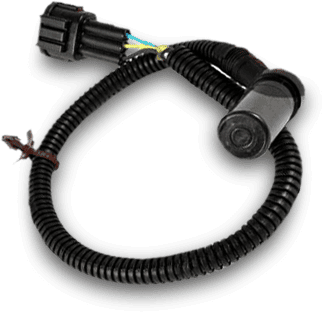
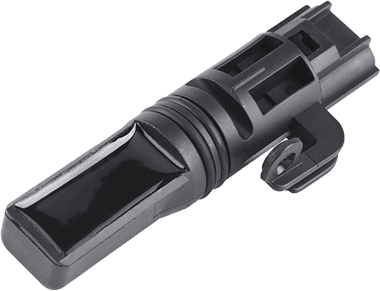
Similar search terms for FAE-79140-RPM-Sensor
Top-Angebote
Products related to FAE-79140-RPM-Sensor:
-
FAE 79085 RPM Sensor, engine managementCable Length [mm]: 230; Sensor Type: Inductive Sensor; Number of pins: 2; TecDoc Engine Number: 4019, 12948, 4981, 4984, 9688, 15614, 15610, 15568, 13770, 13768, 13771, 13468, 9453, 9454, 16335, 17472, 15375, 18696, 15374, 17471, 18154, 16460, 18750; Catalytic Converter Type: with three-way catalytic converter; Fuel Mixture Formation: Intake Manifold Injection21,99 £*Shipping: 8,45 £Secure redirect to the provider
-
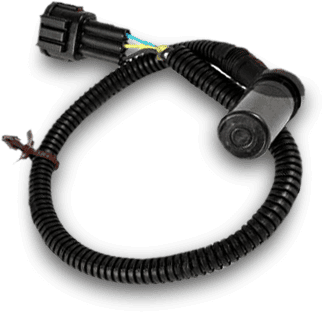
FAE 79008 RPM Sensor, engine managementTransmission Type: Automatic Transmission; Number of pins: 2; TecDoc Engine Number: 4193, 227, 235, 231, 224, 236, 233, 228, 302, 4139, 9367, 4989, 4004, 4980, 4979, 4963, 1068, 1011, 1012, 1071, 1024, 1843, 1844, 1848, 1850, 3596, 3570, 9384, 5537, 892, 1069, 1008, 4615, 1847, 3576, 14128, 13775, 15335, 13776, 1852, 14917, 5109, 17559, 222, 238, 214, 4981, 14148, 16412, 13950, 241, 5106, 9990, 5073, 15629, 16237, 1009, 13929, 5497, 11497, 12950, 13953, 13774, 11356, 9516, 13932, 5557, 9517, 15329, 11368, 4202, 9518, 13949, 13952, 4197, 13951, 10887, 10813, 14909, 12951, 239, 9450, 15494, 12029, 12488, 9991, 9470, 11347, 11088, 12107, 13394, 11448, 12648, 11592, 9451, 12509, 12510, 15339, 15338, 17157, 17033, 15312, 17034, 14919, 13948, 14916, 14588, 1849, 1845, 1842, 15349, 15345, 17863, 15475, 11527, 15616, 15617, 15748, 11360, 16068, 15346, 16410, 16384, 15328, 15348, 16432, 16242, 16243, 16244, 17035, 16411, 13954, 16728, 15331, 16729, 16730, 16859, 17168, 17864, 16516, 18010, 17336, 9386; Vehicle Identification Number (VIN) to: 1CX499000, 9CX999000, 8L-X-090000, 1M-X-025000; Engine Code: AWN, BJH, BKB43,99 £*Shipping: 8,45 £Secure redirect to the provider


-
What is sensor technology and communication?
Sensor technology refers to the use of sensors to detect and measure physical properties such as temperature, pressure, light, and motion. These sensors can then communicate this information to other devices or systems through various communication methods such as wired connections, wireless signals, or the internet. This allows for real-time monitoring and control of physical environments, enabling applications in areas such as smart homes, industrial automation, healthcare, and environmental monitoring. Overall, sensor technology and communication play a crucial role in enabling the collection and transmission of data for various applications, ultimately leading to improved efficiency, safety, and convenience. **
-
What is a voltage sensor for Smart Home?
A voltage sensor for Smart Home is a device that is used to monitor the voltage levels in the electrical system of a home. It can detect and measure the voltage of the power supply, and can alert the homeowner if there are any fluctuations or abnormalities in the voltage levels. This can help prevent electrical issues and potential damage to appliances or devices in the home. Additionally, some voltage sensors can be integrated with smart home systems to provide real-time monitoring and notifications to the homeowner's smartphone or other smart devices. **
-
Is there a smart motion sensor without an interface?
Yes, there are smart motion sensors available that do not have a traditional user interface. These sensors are designed to detect motion and trigger specific actions or alerts without the need for user interaction. They can be integrated into smart home systems or security systems to automate tasks based on motion detection, such as turning on lights or sending notifications. These sensors typically communicate wirelessly with other devices or hubs to provide their functionality without a physical interface for users to interact with. **
-
What saves fuel: Accelerating quickly at high RPM or slowly at low RPM?
Accelerating slowly at low RPM saves fuel compared to accelerating quickly at high RPM. When you accelerate quickly at high RPM, the engine has to work harder and consumes more fuel to generate the power needed for acceleration. On the other hand, accelerating slowly at low RPM allows the engine to operate more efficiently and consume less fuel. Additionally, accelerating slowly can also reduce wear and tear on the engine components, leading to potential long-term fuel savings. **

What saves fuel: Accelerating quickly with high RPM or slowly with low RPM?
Accelerating slowly with low RPM saves fuel compared to accelerating quickly with high RPM. When you accelerate quickly, the engine has to work harder and burn more fuel to reach higher speeds. On the other hand, accelerating slowly with low RPM allows the engine to operate more efficiently and consume less fuel. Additionally, maintaining a steady speed once you reach your desired velocity can also help save fuel. **
How many RPM are okay?
The appropriate RPM (revolutions per minute) for a vehicle can vary depending on the make and model. However, a general guideline is to aim for around 2,000-3,000 RPM while driving at highway speeds. This range allows the engine to operate efficiently without putting too much strain on it. It's important to consult your vehicle's manual for specific recommendations on RPM levels. **
Top-Angebote
Products related to FAE-79140-RPM-Sensor:
-
FAE 79085 RPM Sensor, engine managementCable Length [mm]: 230; Sensor Type: Inductive Sensor; Number of pins: 2; TecDoc Engine Number: 4019, 12948, 4981, 4984, 9688, 15614, 15610, 15568, 13770, 13768, 13771, 13468, 9453, 9454, 16335, 17472, 15375, 18696, 15374, 17471, 18154, 16460, 18750; Catalytic Converter Type: with three-way catalytic converter; Fuel Mixture Formation: Intake Manifold Injection21,99 £*Shipping: 8,45 £Secure redirect to the provider
-
What is an FAE?
An FAE, or Field Application Engineer, is a technical expert who works for a company that sells complex technical products. FAEs are responsible for providing technical support to customers, helping them understand how to use the products effectively. They often work closely with sales teams to demonstrate the capabilities of the products and address any technical issues that may arise. FAEs play a crucial role in ensuring customer satisfaction and building strong relationships with clients. **
-
What is a FAE?
FAE stands for "Fetal Alcohol Effects" and refers to the range of physical, cognitive, and behavioral impairments that can occur in individuals who were prenatally exposed to alcohol but do not meet the full criteria for a diagnosis of Fetal Alcohol Syndrome (FAS). FAE is considered a milder form of FAS and can still have significant impacts on a person's development and functioning. Common characteristics of FAE may include learning difficulties, attention deficits, hyperactivity, and poor impulse control. It is important for individuals with FAE to receive appropriate support and interventions to help them reach their full potential. **
-
What is sensor technology and communication?
Sensor technology refers to the use of sensors to detect and measure physical properties such as temperature, pressure, light, and motion. These sensors can then communicate this information to other devices or systems through various communication methods such as wired connections, wireless signals, or the internet. This allows for real-time monitoring and control of physical environments, enabling applications in areas such as smart homes, industrial automation, healthcare, and environmental monitoring. Overall, sensor technology and communication play a crucial role in enabling the collection and transmission of data for various applications, ultimately leading to improved efficiency, safety, and convenience. **
-
What is a voltage sensor for Smart Home?
A voltage sensor for Smart Home is a device that is used to monitor the voltage levels in the electrical system of a home. It can detect and measure the voltage of the power supply, and can alert the homeowner if there are any fluctuations or abnormalities in the voltage levels. This can help prevent electrical issues and potential damage to appliances or devices in the home. Additionally, some voltage sensors can be integrated with smart home systems to provide real-time monitoring and notifications to the homeowner's smartphone or other smart devices. **
Similar search terms for FAE-79140-RPM-Sensor
-
FAE 79008 RPM Sensor, engine managementTransmission Type: Automatic Transmission; Number of pins: 2; TecDoc Engine Number: 4193, 227, 235, 231, 224, 236, 233, 228, 302, 4139, 9367, 4989, 4004, 4980, 4979, 4963, 1068, 1011, 1012, 1071, 1024, 1843, 1844, 1848, 1850, 3596, 3570, 9384, 5537, 892, 1069, 1008, 4615, 1847, 3576, 14128, 13775, 15335, 13776, 1852, 14917, 5109, 17559, 222, 238, 214, 4981, 14148, 16412, 13950, 241, 5106, 9990, 5073, 15629, 16237, 1009, 13929, 5497, 11497, 12950, 13953, 13774, 11356, 9516, 13932, 5557, 9517, 15329, 11368, 4202, 9518, 13949, 13952, 4197, 13951, 10887, 10813, 14909, 12951, 239, 9450, 15494, 12029, 12488, 9991, 9470, 11347, 11088, 12107, 13394, 11448, 12648, 11592, 9451, 12509, 12510, 15339, 15338, 17157, 17033, 15312, 17034, 14919, 13948, 14916, 14588, 1849, 1845, 1842, 15349, 15345, 17863, 15475, 11527, 15616, 15617, 15748, 11360, 16068, 15346, 16410, 16384, 15328, 15348, 16432, 16242, 16243, 16244, 17035, 16411, 13954, 16728, 15331, 16729, 16730, 16859, 17168, 17864, 16516, 18010, 17336, 9386; Vehicle Identification Number (VIN) to: 1CX499000, 9CX999000, 8L-X-090000, 1M-X-025000; Engine Code: AWN, BJH, BKB43,99 £*Shipping: 8,45 £Secure redirect to the provider
-
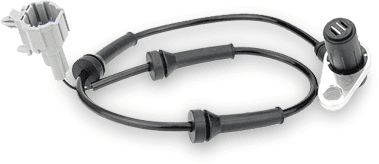
NGK 81063 Sensor, RPMSupplementary Article / Supplementary Info Info 2: without cable; Number of pins: 2; Connector Shape: oval; TecDoc Engine Number: 22903, 22902, 18554, 22900, 26302, 22901, 26102, 22100, 18555, 27273, 26301, 25557, 25844, 22717; Transmission Type: Manual Transmission; Fitting Position: in transmission housing; Vehicle type: XJLFL6,XJLFR614,49 £*Shipping: 8,45 £Secure redirect to the provider
-
Is there a smart motion sensor without an interface?
Yes, there are smart motion sensors available that do not have a traditional user interface. These sensors are designed to detect motion and trigger specific actions or alerts without the need for user interaction. They can be integrated into smart home systems or security systems to automate tasks based on motion detection, such as turning on lights or sending notifications. These sensors typically communicate wirelessly with other devices or hubs to provide their functionality without a physical interface for users to interact with. **
-
What saves fuel: Accelerating quickly at high RPM or slowly at low RPM?
Accelerating slowly at low RPM saves fuel compared to accelerating quickly at high RPM. When you accelerate quickly at high RPM, the engine has to work harder and consumes more fuel to generate the power needed for acceleration. On the other hand, accelerating slowly at low RPM allows the engine to operate more efficiently and consume less fuel. Additionally, accelerating slowly can also reduce wear and tear on the engine components, leading to potential long-term fuel savings. **
-
What saves fuel: Accelerating quickly with high RPM or slowly with low RPM?
Accelerating slowly with low RPM saves fuel compared to accelerating quickly with high RPM. When you accelerate quickly, the engine has to work harder and burn more fuel to reach higher speeds. On the other hand, accelerating slowly with low RPM allows the engine to operate more efficiently and consume less fuel. Additionally, maintaining a steady speed once you reach your desired velocity can also help save fuel. **
-
How many RPM are okay?
The appropriate RPM (revolutions per minute) for a vehicle can vary depending on the make and model. However, a general guideline is to aim for around 2,000-3,000 RPM while driving at highway speeds. This range allows the engine to operate efficiently without putting too much strain on it. It's important to consult your vehicle's manual for specific recommendations on RPM levels. **
* All prices are inclusive of VAT and, if applicable, plus shipping costs. The offer information is based on the details provided by the respective shop and is updated through automated processes. Real-time updates do not occur, so deviations can occur in individual cases. ** Note: Parts of this content were created by AI.