Buy i8.eu ?
We are moving the project
i8.eu .
Are you interested in purchasing the domain
i8.eu ?
domain@kv-gmbh.de · 0541-91531010
Buy i8.eu ?
Can I repair my charging cable?
Yes, you can repair your charging cable in some cases. If the issue is a frayed or damaged cable, you can use electrical tape or heat shrink tubing to repair the damaged area. However, if the issue is with the connector or internal wiring, it may be more difficult to repair and may require professional help or replacement. It's important to be cautious when attempting to repair a charging cable to avoid any electrical hazards. **
How can I repair this cable?
To repair a cable, you can start by identifying the damaged area and cutting out the section with the damage. Then, strip the insulation from the ends of the cable to expose the wires. Next, twist the corresponding wires together and use electrical tape or heat shrink tubing to secure the connection. Finally, test the cable to ensure it is working properly before putting it back into use. If the damage is extensive, it may be best to replace the cable altogether. **

Similar search terms for FAST-FT76119-Cable-Repair
Top-Angebote
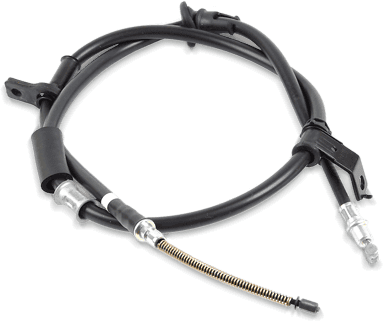
Products related to FAST-FT76119-Cable-Repair:


-
How fast is my LAN cable?
The speed of your LAN cable depends on the category of the cable. The most common categories are Cat5e, Cat6, and Cat6a. Cat5e cables can support speeds up to 1 Gbps, while Cat6 cables can support speeds up to 10 Gbps. Cat6a cables can support even higher speeds, up to 10 Gbps at longer distances. It's important to note that the actual speed you experience will also depend on the network equipment and devices you are using. **
-
How do I repair this charging cable?
To repair a charging cable, you can start by identifying the specific issue with the cable, such as fraying or a loose connection. If the issue is fraying, you can use electrical tape or heat shrink tubing to cover the damaged area. If there is a loose connection, you may need to solder the wires back together. It's important to ensure the repair is done carefully to avoid any safety hazards. If you are not comfortable with DIY repairs, it may be best to replace the cable altogether. **
-
How can I perform a cable repair?
To perform a cable repair, you will first need to identify the location of the damage on the cable. Once you have located the damaged area, you can cut out the damaged section using cable cutters. Next, strip the insulation from the ends of the cable wires and connect them using wire connectors or soldering them together. Finally, insulate the repaired section with electrical tape or heat shrink tubing to ensure the repair is secure. **
-
How can you repair the cable jacket?
To repair a cable jacket, you can use a cable repair kit that typically includes a heat shrink tube and adhesive-lined heat shrink tubing. First, clean the damaged area of the cable jacket thoroughly. Then, slide the heat shrink tube over the damaged area and apply heat using a heat gun to shrink it in place. Finally, apply the adhesive-lined heat shrink tubing over the repaired area for added protection and seal it with heat. **

Can I repair my VGA cable cheaply?
Yes, you can repair your VGA cable cheaply by first identifying the specific issue with the cable. If it's a simple problem like a loose connection or a broken pin, you may be able to fix it by re-soldering the connection or replacing the broken pin. You can also try using electrical tape or heat shrink tubing to repair any damaged insulation. However, if the issue is more complex, it may be more cost-effective to simply replace the cable altogether. **
How can one repair a coaxial cable?
To repair a coaxial cable, you can start by cutting out the damaged portion of the cable using a sharp knife or cable cutter. Then, strip back the outer insulation to expose the inner conductor and insulating layer. Next, trim and strip the inner conductor to the appropriate length and attach a new coaxial connector. Finally, secure the connector in place and test the cable to ensure it is functioning properly. **
Top-Angebote
Products related to FAST-FT76119-Cable-Repair:
-
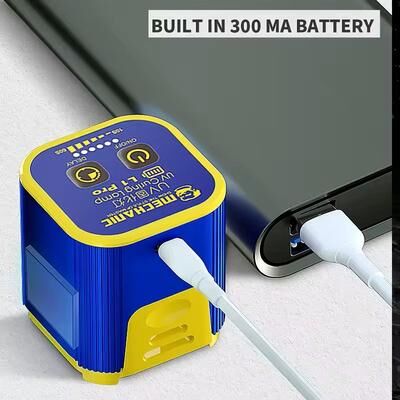
Uplift Essentials MECHANIC L1 Pro UV Curing Lamp For Fast Precision Electronics Repair l1Speed up your electronics repair workflow with the powerful and intelligent UV curing lamp from MECHANIC. Designed for professionals working with motherboard solder masks and UV glues, this 7W highpower curing light delivers rapid, even exposure for...67,98 $*Shipping: 0,00 $Secure redirect to the provider
-
Can I repair my charging cable?
Yes, you can repair your charging cable in some cases. If the issue is a frayed or damaged cable, you can use electrical tape or heat shrink tubing to repair the damaged area. However, if the issue is with the connector or internal wiring, it may be more difficult to repair and may require professional help or replacement. It's important to be cautious when attempting to repair a charging cable to avoid any electrical hazards. **
-
How can I repair this cable?
To repair a cable, you can start by identifying the damaged area and cutting out the section with the damage. Then, strip the insulation from the ends of the cable to expose the wires. Next, twist the corresponding wires together and use electrical tape or heat shrink tubing to secure the connection. Finally, test the cable to ensure it is working properly before putting it back into use. If the damage is extensive, it may be best to replace the cable altogether. **
-
How fast is my LAN cable?
The speed of your LAN cable depends on the category of the cable. The most common categories are Cat5e, Cat6, and Cat6a. Cat5e cables can support speeds up to 1 Gbps, while Cat6 cables can support speeds up to 10 Gbps. Cat6a cables can support even higher speeds, up to 10 Gbps at longer distances. It's important to note that the actual speed you experience will also depend on the network equipment and devices you are using. **
-
How do I repair this charging cable?
To repair a charging cable, you can start by identifying the specific issue with the cable, such as fraying or a loose connection. If the issue is fraying, you can use electrical tape or heat shrink tubing to cover the damaged area. If there is a loose connection, you may need to solder the wires back together. It's important to ensure the repair is done carefully to avoid any safety hazards. If you are not comfortable with DIY repairs, it may be best to replace the cable altogether. **
Similar search terms for FAST-FT76119-Cable-Repair
-
How can I perform a cable repair?
To perform a cable repair, you will first need to identify the location of the damage on the cable. Once you have located the damaged area, you can cut out the damaged section using cable cutters. Next, strip the insulation from the ends of the cable wires and connect them using wire connectors or soldering them together. Finally, insulate the repaired section with electrical tape or heat shrink tubing to ensure the repair is secure. **
-
How can you repair the cable jacket?
To repair a cable jacket, you can use a cable repair kit that typically includes a heat shrink tube and adhesive-lined heat shrink tubing. First, clean the damaged area of the cable jacket thoroughly. Then, slide the heat shrink tube over the damaged area and apply heat using a heat gun to shrink it in place. Finally, apply the adhesive-lined heat shrink tubing over the repaired area for added protection and seal it with heat. **
-
Can I repair my VGA cable cheaply?
Yes, you can repair your VGA cable cheaply by first identifying the specific issue with the cable. If it's a simple problem like a loose connection or a broken pin, you may be able to fix it by re-soldering the connection or replacing the broken pin. You can also try using electrical tape or heat shrink tubing to repair any damaged insulation. However, if the issue is more complex, it may be more cost-effective to simply replace the cable altogether. **
-
How can one repair a coaxial cable?
To repair a coaxial cable, you can start by cutting out the damaged portion of the cable using a sharp knife or cable cutter. Then, strip back the outer insulation to expose the inner conductor and insulating layer. Next, trim and strip the inner conductor to the appropriate length and attach a new coaxial connector. Finally, secure the connector in place and test the cable to ensure it is functioning properly. **
* All prices are inclusive of VAT and, if applicable, plus shipping costs. The offer information is based on the details provided by the respective shop and is updated through automated processes. Real-time updates do not occur, so deviations can occur in individual cases. ** Note: Parts of this content were created by AI.