Buy i8.eu ?
We are moving the project
i8.eu .
Are you interested in purchasing the domain
i8.eu ?
domain@kv-gmbh.de · 0541-91531010
Buy i8.eu ?
What can be done on farmland?
Farmland can be used for a variety of agricultural activities such as growing crops, raising livestock, and cultivating fruits and vegetables. Farmers can also engage in activities like irrigation, fertilization, and pest control to ensure healthy and productive crops. Additionally, farmland can be used for agroforestry, agroecology, and other sustainable farming practices to promote biodiversity and environmental conservation. Overall, farmland provides a valuable resource for producing food, fiber, and other agricultural products essential for human consumption and economic development. **
Is there enough farmland in the jungle?
There is limited farmland in the jungle due to the dense vegetation and lack of suitable soil for agriculture. While there may be some areas cleared for farming, the overall availability of farmland in the jungle is limited. Additionally, the fragile ecosystem of the jungle makes it important to preserve the existing land rather than clearing it for agriculture. **

Similar search terms for Farmland
Top-Angebote
Products related to Farmland:
-
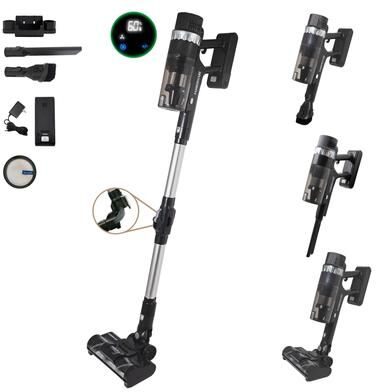
Farberware Cordless Platinum Stick Vacuum Cleaner, Smart Sensor Technology for Carpet and Hard Floors, Bendable DesignFarberware Cordless Platinum Stick Vacuum Cleaner, Smart Sensor Technology for Carpet and Hard Floors, Bendable Design, Converts to Handheld Vacuum Description: Life is messy, but with Farberware’s Cordless Platinum Stick Vacuum, you can tackle every…155,99 $*Shipping: 0,00 $Secure redirect to the provider
-
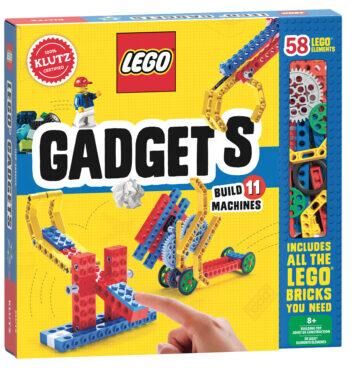
Klutz: LEGO GadgetsThis activity kit will have you building 11 machines including a gravity powered car and a wacky boxing robot. The fun doesn't stop once you've completed all of the projects in the book - open-ended prompts will inspire you to continue experimenting...24,99 $*Shipping: 0,00 $Secure redirect to the provider
-
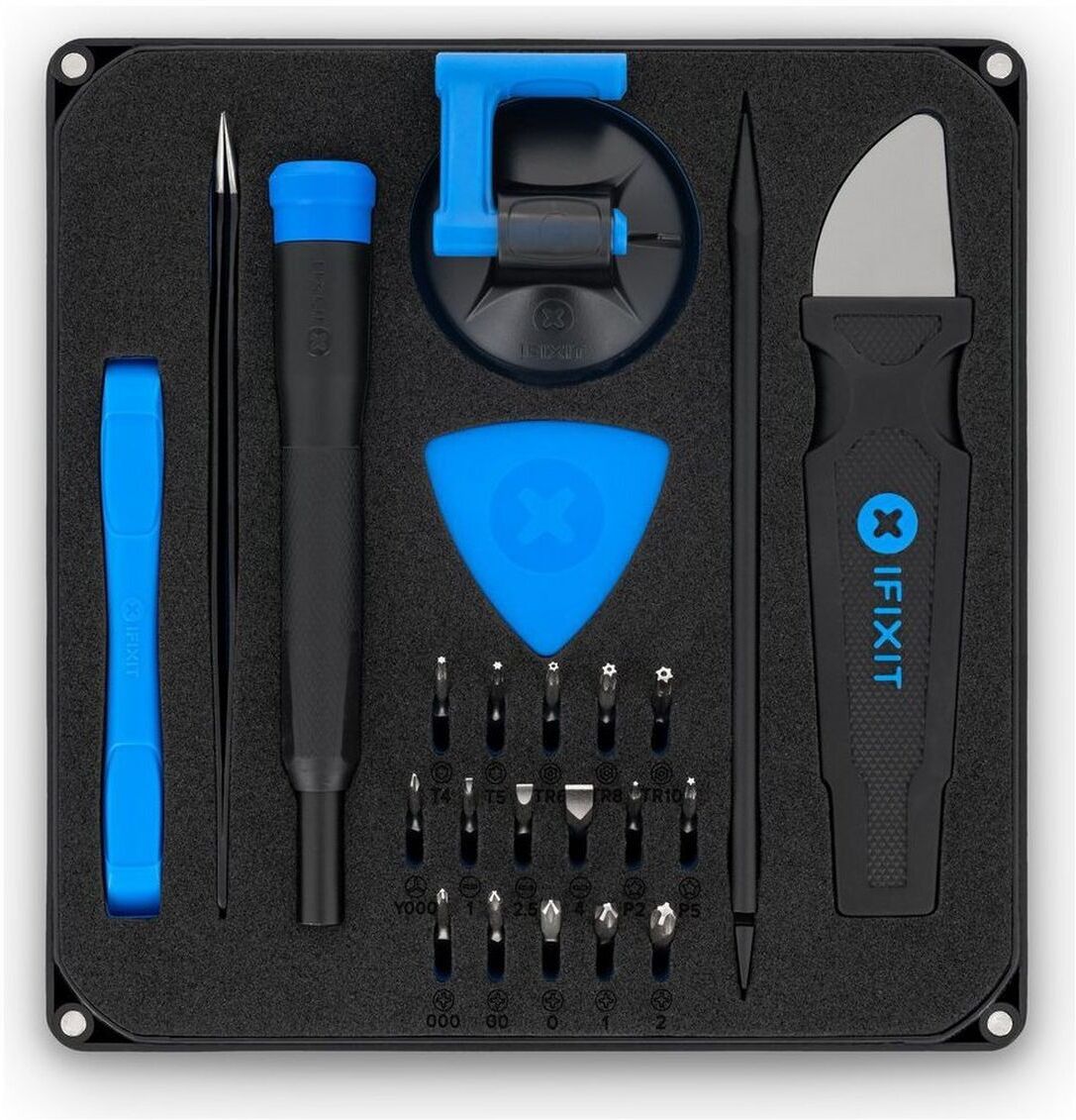
iFixit Essential Electronics ToolkitThe iFixit Essential Electronics Toolkit is a compact starter repair kit for phones, tablets, laptops, game consoles and other small electronics. It includes a precision bit driver with 16 precision bits plus the basic opening and prying tools needed for common repairs such as screen and battery replacements.40,99 £*Shipping: 0,00 £Secure redirect to the provider
-
Smart Shopping Spot Household Kitchen Gadgets, Condiment Bowl Dip Clip, Multi purpose Sauce Dish, Vinegar Seasoning Container Household Kitchen Gadgets, Condiment Bowl Dip Clip, Multi purpose Sauce Dish, Vinegar Seasoning ContainerConvenient and Multifunctional Design: Introducing the 4pcs Condiment Bowl Dip Clip, an essential addition to your kitchen gadgets collection. This versatile sauce dish is perfect for holding everything from tomato sauce to vinegar, making it an...29,97 $*Shipping: 0,00 $Secure redirect to the provider

-
What is the rental price for farmland?
The rental price for farmland can vary widely depending on factors such as location, soil quality, size of the land, and local market conditions. On average, rental prices for farmland in the United States can range from $50 to $200 per acre per year. However, in more desirable or productive agricultural regions, rental prices can be significantly higher. It is important for farmers and landowners to negotiate a fair rental price that takes into account all relevant factors. **
-
Can plants and farmland tolerate brackish water?
Some plants and farmland can tolerate brackish water, but it depends on the specific species and the level of salinity in the water. Some plants, like mangroves and certain types of grasses, have adapted to thrive in brackish environments. However, high levels of salinity can be harmful to many crops and plants, as it can disrupt their ability to absorb water and nutrients. In some cases, farmers may use techniques like drip irrigation or planting salt-tolerant crops to mitigate the effects of brackish water on farmland. **
-
Who benefits when farmland becomes building land?
When farmland becomes building land, developers and landowners benefit as they can sell the land for a higher price. Local governments also benefit from increased property tax revenue. However, this conversion can have negative impacts on the environment and food security, as it reduces the amount of available farmland for agricultural production. Additionally, it can lead to the displacement of farmers and rural communities. **
-
What exactly is meat that eats farmland?
Meat that eats farmland refers to the concept that a significant amount of agricultural land is used to grow crops that are then fed to livestock animals, which are ultimately raised for meat production. This process involves a large amount of land, water, and resources to sustain the livestock, and contributes to environmental issues such as deforestation, greenhouse gas emissions, and water pollution. Therefore, the term "meat that eats farmland" highlights the impact of meat production on the use of agricultural resources and its environmental implications. **


What percentage of the mainland consists of farmland?
Approximately 40% of the mainland consists of farmland. This land is used for agricultural purposes such as growing crops and raising livestock. Farmland is essential for providing food and resources to support human populations. **
How much rent for 1 hectare of farmland?
The cost of renting 1 hectare of farmland can vary greatly depending on the location, quality of the land, and local market conditions. In the United States, the average cost of renting farmland is around $150-$200 per acre per year, which is equivalent to approximately $370-$500 per hectare per year. However, in more desirable or productive agricultural regions, the rent can be significantly higher, sometimes exceeding $1000 per hectare per year. It is important for farmers to carefully consider these factors when negotiating rental agreements for farmland. **
Top-Angebote
Products related to Farmland:
-
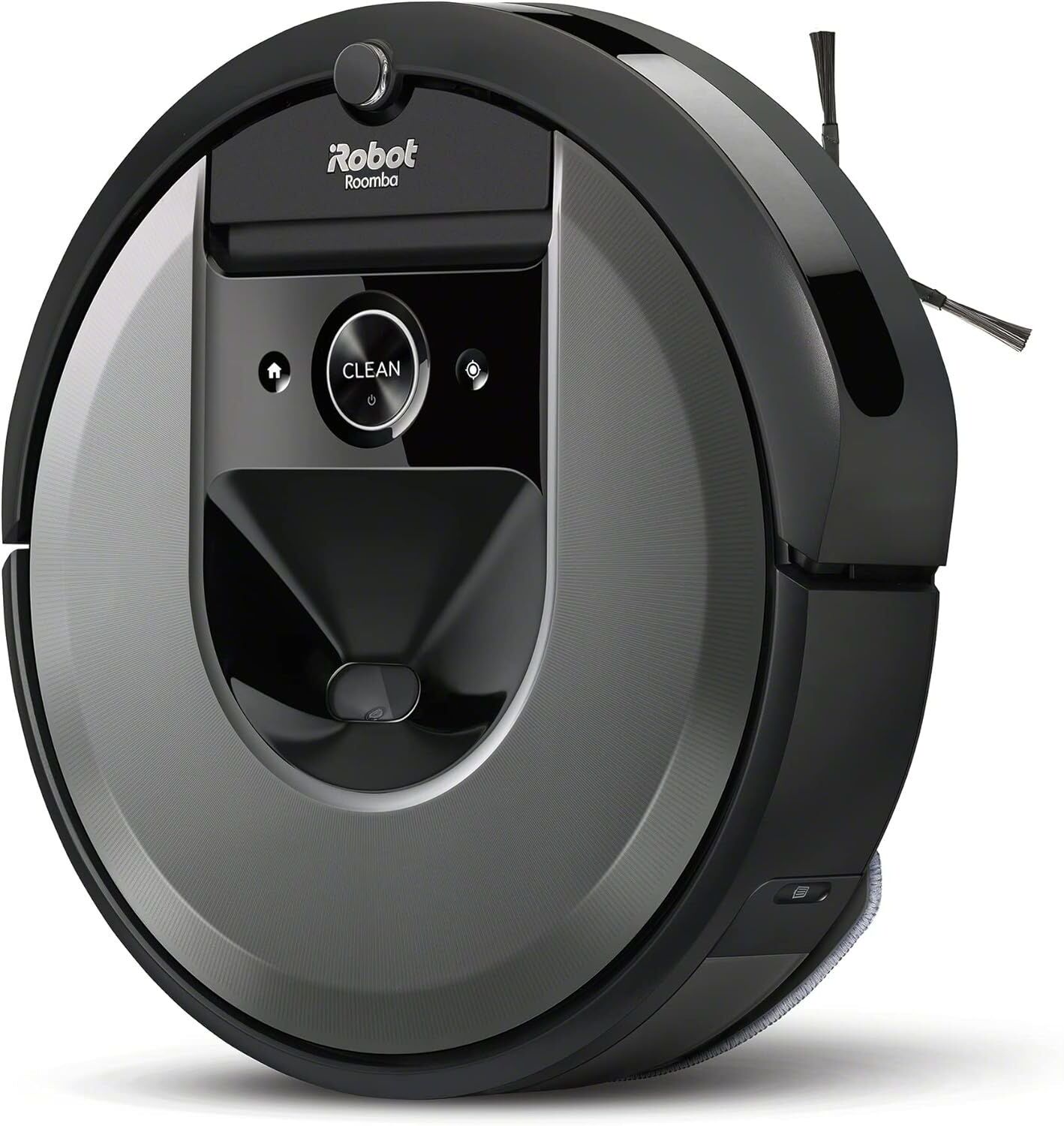
iRobot Roomba Combo i8 Robot Vacuum & Mop – Smart Mapping, Alexa Compatible, New - Outer Box DamagedOverview: The Roomba Combo i8 is designed to handle both vacuuming and mopping in a single run, saving you time while ensuring thorough results. Featuring advanced smart mapping technology, it learns and adapts to your home, allowing you to set cleaning schedules, select specific rooms, and avoid restricted zones. Compatible with Alexa and Google Assistant, you can control it hands-free for ultimate convenience. Key Features: 2-in-1 Cleaning – Vacuums and mops simultaneously. Smart Mapping – Learns your home’s layout for room-by-room cleaning. Voice Control – Works with Alexa and Google Assistant. Powerful Suction – Picks up dirt, dust, and pet hair with ease. Customisable Cleaning – Schedule, target rooms, or set no-go zones. Multi-Surface Cleaning – Ideal for carpets, hard floors, and tiles. Recharge & Resume – Automatically recharges and continues cleaning. App Control – Full customisation and updates via the iRobot Home App. Product Description: The iRobot Roomba Combo i8 Robot Vacuum and Mop combines powerful suction with intelligent mopping to deliver a deeper clean across your home. Its dual functionality allows it to vacuum and mop simultaneously, making it perfect for busy households. With smart mapping, you can direct the robot to clean specific rooms or avoid certain areas. Voice assistant support via Alexa or Google Assistant provides effortless control, while the iRobot Home App lets you schedule and customise cleaning sessions anytime. Designed to handle dirt, dust, and pet hair, the Roomba Combo i8 ensures a cleaner, fresher home with ease.299,00 £*Shipping: 0,00 £Secure redirect to the provider
-
Farberware Cordless Platinum Stick Vacuum Cleaner, Smart Sensor Technology for Carpet and Hard Floors, Bendable DesignFarberware Cordless Platinum Stick Vacuum Cleaner, Smart Sensor Technology for Carpet and Hard Floors, Bendable Design, Converts to Handheld Vacuum Description: Life is messy, but with Farberware’s Cordless Platinum Stick Vacuum, you can tackle every…155,99 $*Shipping: 0,00 $Secure redirect to the provider
-
Klutz: LEGO GadgetsThis activity kit will have you building 11 machines including a gravity powered car and a wacky boxing robot. The fun doesn't stop once you've completed all of the projects in the book - open-ended prompts will inspire you to continue experimenting...24,99 $*Shipping: 0,00 $Secure redirect to the provider
-
What can be done on farmland?
Farmland can be used for a variety of agricultural activities such as growing crops, raising livestock, and cultivating fruits and vegetables. Farmers can also engage in activities like irrigation, fertilization, and pest control to ensure healthy and productive crops. Additionally, farmland can be used for agroforestry, agroecology, and other sustainable farming practices to promote biodiversity and environmental conservation. Overall, farmland provides a valuable resource for producing food, fiber, and other agricultural products essential for human consumption and economic development. **
-
Is there enough farmland in the jungle?
There is limited farmland in the jungle due to the dense vegetation and lack of suitable soil for agriculture. While there may be some areas cleared for farming, the overall availability of farmland in the jungle is limited. Additionally, the fragile ecosystem of the jungle makes it important to preserve the existing land rather than clearing it for agriculture. **
-
What is the rental price for farmland?
The rental price for farmland can vary widely depending on factors such as location, soil quality, size of the land, and local market conditions. On average, rental prices for farmland in the United States can range from $50 to $200 per acre per year. However, in more desirable or productive agricultural regions, rental prices can be significantly higher. It is important for farmers and landowners to negotiate a fair rental price that takes into account all relevant factors. **
-
Can plants and farmland tolerate brackish water?
Some plants and farmland can tolerate brackish water, but it depends on the specific species and the level of salinity in the water. Some plants, like mangroves and certain types of grasses, have adapted to thrive in brackish environments. However, high levels of salinity can be harmful to many crops and plants, as it can disrupt their ability to absorb water and nutrients. In some cases, farmers may use techniques like drip irrigation or planting salt-tolerant crops to mitigate the effects of brackish water on farmland. **
Similar search terms for Farmland
-
iFixit Essential Electronics ToolkitThe iFixit Essential Electronics Toolkit is a compact starter repair kit for phones, tablets, laptops, game consoles and other small electronics. It includes a precision bit driver with 16 precision bits plus the basic opening and prying tools needed for common repairs such as screen and battery replacements.40,99 £*Shipping: 0,00 £Secure redirect to the provider
-
Smart Shopping Spot Household Kitchen Gadgets, Condiment Bowl Dip Clip, Multi purpose Sauce Dish, Vinegar Seasoning Container Household Kitchen Gadgets, Condiment Bowl Dip Clip, Multi purpose Sauce Dish, Vinegar Seasoning ContainerConvenient and Multifunctional Design: Introducing the 4pcs Condiment Bowl Dip Clip, an essential addition to your kitchen gadgets collection. This versatile sauce dish is perfect for holding everything from tomato sauce to vinegar, making it an...29,97 $*Shipping: 0,00 $Secure redirect to the provider
-
HARPERCOLLINS Creative Confidence by Tom & David Kelley – Unleashing Your Creative Potential & Innovation MindsetA powerful and inspiring book from the founders of IDEO, the award-winning design firm, on unleashing the creativity that lies within each and every one of us. Too often, companies and individuals assume that creativity and innovation are the domain of the ‘creative types’. But two of the foremost experts in innovation, design and creativity on the planet show us that each and every one of us is creative. In an entertaining and inspiring narrative that draws on countless stories from their work at IDEO, and with many of the world's top companies and design firms, David and Tom Kelley identify the principles and strategies that will allow us to tap into our creative potential in our work lives, and in our personal lives, allow us to think outside the box in terms of how we approach and solve problems. ‘Creative Confidence’ is a book that will help each of us be more productive and successful in our lives and in our careers.4,95 £*Shipping: 1,99 £Secure redirect to the provider
-
Who benefits when farmland becomes building land?
When farmland becomes building land, developers and landowners benefit as they can sell the land for a higher price. Local governments also benefit from increased property tax revenue. However, this conversion can have negative impacts on the environment and food security, as it reduces the amount of available farmland for agricultural production. Additionally, it can lead to the displacement of farmers and rural communities. **
-
What exactly is meat that eats farmland?
Meat that eats farmland refers to the concept that a significant amount of agricultural land is used to grow crops that are then fed to livestock animals, which are ultimately raised for meat production. This process involves a large amount of land, water, and resources to sustain the livestock, and contributes to environmental issues such as deforestation, greenhouse gas emissions, and water pollution. Therefore, the term "meat that eats farmland" highlights the impact of meat production on the use of agricultural resources and its environmental implications. **
-
What percentage of the mainland consists of farmland?
Approximately 40% of the mainland consists of farmland. This land is used for agricultural purposes such as growing crops and raising livestock. Farmland is essential for providing food and resources to support human populations. **
-
How much rent for 1 hectare of farmland?
The cost of renting 1 hectare of farmland can vary greatly depending on the location, quality of the land, and local market conditions. In the United States, the average cost of renting farmland is around $150-$200 per acre per year, which is equivalent to approximately $370-$500 per hectare per year. However, in more desirable or productive agricultural regions, the rent can be significantly higher, sometimes exceeding $1000 per hectare per year. It is important for farmers to carefully consider these factors when negotiating rental agreements for farmland. **
* All prices are inclusive of VAT and, if applicable, plus shipping costs. The offer information is based on the details provided by the respective shop and is updated through automated processes. Real-time updates do not occur, so deviations can occur in individual cases. ** Note: Parts of this content were created by AI.