Buy i8.eu ?
We are moving the project
i8.eu .
Are you interested in purchasing the domain
i8.eu ?
domain@kv-gmbh.de · 0541-91531010
Buy i8.eu ?
What is a purl row in knitting?
A purl row in knitting is when you create a row of stitches that have a raised bump texture on the right side of the fabric. To create a purl row, you insert the needle into the front of the stitch from right to left, wrap the yarn around the needle, and pull it through to create a new stitch. Purl rows are often alternated with knit rows to create different textures and patterns in knitting projects. **
What is a purl stitch in knitting?
A purl stitch in knitting is a basic stitch that creates a textured pattern on the fabric. It is the opposite of a knit stitch and is created by bringing the yarn to the front of the work, inserting the needle from right to left through the front of the stitch on the left-hand needle, wrapping the yarn around the right-hand needle, and pulling the loop through. Purl stitches are often used in combination with knit stitches to create various stitch patterns and designs in knitting projects. **


Similar search terms for Purl
Top-Angebote
Products related to Purl:




-
What is the difference between a knit stitch and a purl stitch?
The main difference between a knit stitch and a purl stitch is the way the yarn is wrapped around the needle. In a knit stitch, the yarn is held in the back of the work and the needle is inserted from front to back, creating a smooth, raised stitch. In a purl stitch, the yarn is held in the front of the work and the needle is inserted from back to front, creating a bumpier, textured stitch. These two stitches are the building blocks of knitting and are used in various combinations to create different patterns and textures in knitted fabric. **
-
How do you purl a stitch and wrap the yarn around the needle twice?
To purl a stitch and wrap the yarn around the needle twice, you would first bring the yarn to the front of the work. Then, insert the right-hand needle from right to left through the front of the first stitch on the left-hand needle. Next, wrap the yarn around the right-hand needle twice in a counter-clockwise direction. Finally, pull the yarn through the stitch and slip the original stitch off the left-hand needle. This will create a purl stitch with the yarn wrapped around the needle twice. **
-
What is the difference between electronics and technology?
Electronics refers specifically to devices that operate by controlling the flow of electrons, such as computers, smartphones, and televisions. Technology, on the other hand, is a broader term that encompasses a wide range of tools, systems, and methods used to solve problems or achieve goals. While electronics are a subset of technology, technology includes not only electronic devices but also mechanical, digital, and other types of tools and systems. **
-
How are electronics technicians trained for automation technology?
Electronics technicians are trained for automation technology through a combination of formal education and on-the-job training. They typically complete a post-secondary program in electronics or a related field, where they learn about electrical circuits, digital electronics, and control systems. Additionally, they receive specialized training in automation technology, which includes learning about programmable logic controllers (PLCs), industrial robotics, and process control systems. This training may also involve hands-on experience with automation equipment and systems in a lab or industrial setting. Overall, electronics technicians are trained to understand and troubleshoot the complex systems used in automation technology. **
Is the electronics technician for automation technology difficult?
Becoming an electronics technician for automation technology can be challenging, as it requires a strong understanding of electrical systems, programming, and automation technology. The field is constantly evolving, so technicians must stay updated on the latest advancements and technologies. However, with dedication and the right training, individuals can develop the skills and knowledge needed to succeed in this role. It may be difficult at times, but the opportunities for growth and the potential to work on cutting-edge technology make it a rewarding career choice for those passionate about automation. **
What is better: Industrial electronics technician or electronics technician for energy and building technology?
The choice between an industrial electronics technician and an electronics technician for energy and building technology depends on your career goals and interests. An industrial electronics technician typically works with manufacturing equipment and machinery, while an electronics technician for energy and building technology focuses on electrical systems in buildings and energy infrastructure. If you are interested in working with manufacturing processes and machinery, then industrial electronics technician may be a better fit. However, if you are passionate about sustainable energy and building technology, then electronics technician for energy and building technology may be the better option for you. **
Top-Angebote
Products related to Purl:
-
What is a purl row in knitting?
A purl row in knitting is when you create a row of stitches that have a raised bump texture on the right side of the fabric. To create a purl row, you insert the needle into the front of the stitch from right to left, wrap the yarn around the needle, and pull it through to create a new stitch. Purl rows are often alternated with knit rows to create different textures and patterns in knitting projects. **
-
What is a purl stitch in knitting?
A purl stitch in knitting is a basic stitch that creates a textured pattern on the fabric. It is the opposite of a knit stitch and is created by bringing the yarn to the front of the work, inserting the needle from right to left through the front of the stitch on the left-hand needle, wrapping the yarn around the right-hand needle, and pulling the loop through. Purl stitches are often used in combination with knit stitches to create various stitch patterns and designs in knitting projects. **
-
What is the difference between a knit stitch and a purl stitch?
The main difference between a knit stitch and a purl stitch is the way the yarn is wrapped around the needle. In a knit stitch, the yarn is held in the back of the work and the needle is inserted from front to back, creating a smooth, raised stitch. In a purl stitch, the yarn is held in the front of the work and the needle is inserted from back to front, creating a bumpier, textured stitch. These two stitches are the building blocks of knitting and are used in various combinations to create different patterns and textures in knitted fabric. **
-
How do you purl a stitch and wrap the yarn around the needle twice?
To purl a stitch and wrap the yarn around the needle twice, you would first bring the yarn to the front of the work. Then, insert the right-hand needle from right to left through the front of the first stitch on the left-hand needle. Next, wrap the yarn around the right-hand needle twice in a counter-clockwise direction. Finally, pull the yarn through the stitch and slip the original stitch off the left-hand needle. This will create a purl stitch with the yarn wrapped around the needle twice. **
Similar search terms for Purl
-
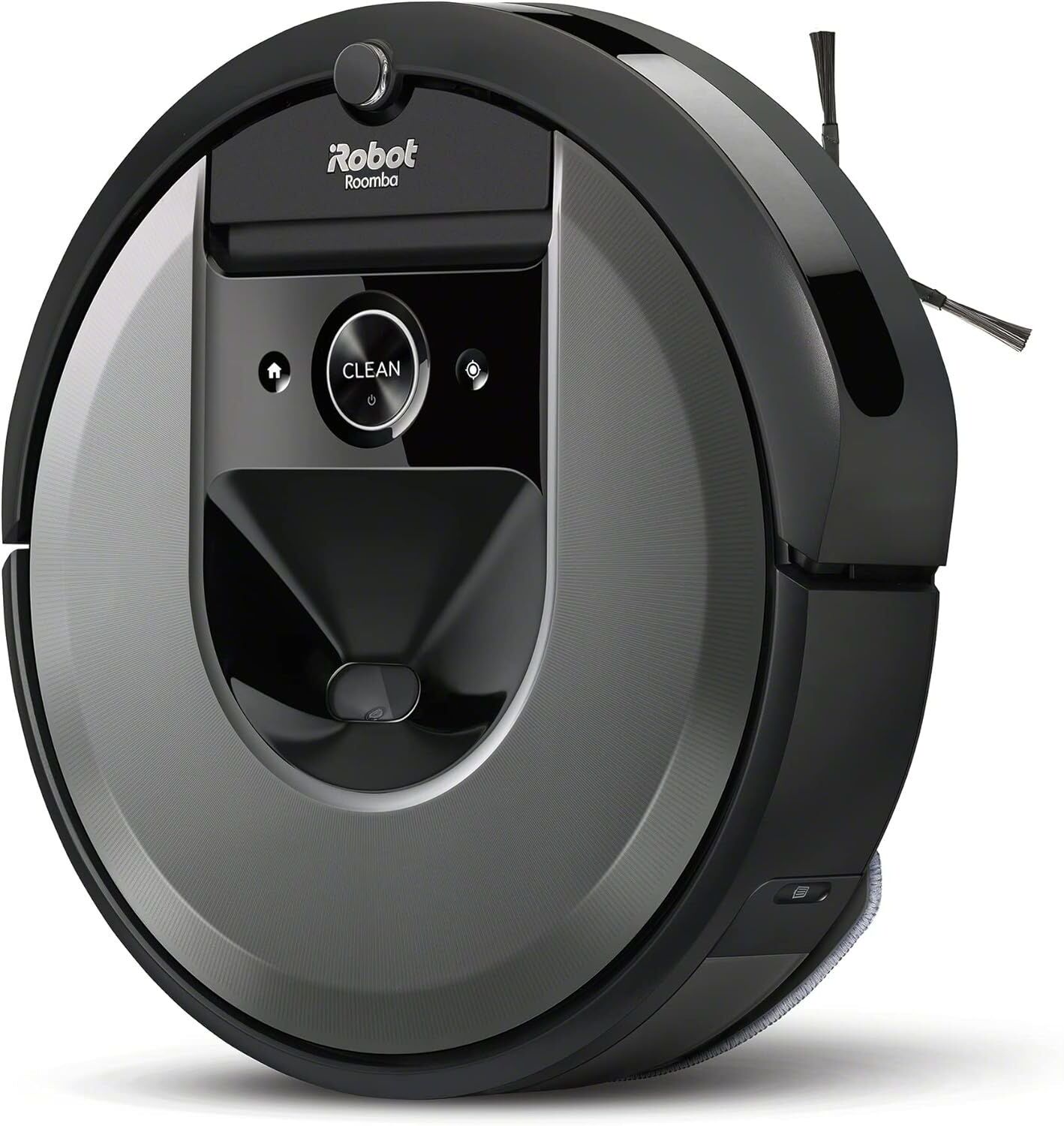
iRobot Roomba Combo i8 Robot Vacuum & Mop – Smart Mapping, Alexa Compatible, New - Outer Box DamagedOverview: The Roomba Combo i8 is designed to handle both vacuuming and mopping in a single run, saving you time while ensuring thorough results. Featuring advanced smart mapping technology, it learns and adapts to your home, allowing you to set cleaning schedules, select specific rooms, and avoid restricted zones. Compatible with Alexa and Google Assistant, you can control it hands-free for ultimate convenience. Key Features: 2-in-1 Cleaning – Vacuums and mops simultaneously. Smart Mapping – Learns your home’s layout for room-by-room cleaning. Voice Control – Works with Alexa and Google Assistant. Powerful Suction – Picks up dirt, dust, and pet hair with ease. Customisable Cleaning – Schedule, target rooms, or set no-go zones. Multi-Surface Cleaning – Ideal for carpets, hard floors, and tiles. Recharge & Resume – Automatically recharges and continues cleaning. App Control – Full customisation and updates via the iRobot Home App. Product Description: The iRobot Roomba Combo i8 Robot Vacuum and Mop combines powerful suction with intelligent mopping to deliver a deeper clean across your home. Its dual functionality allows it to vacuum and mop simultaneously, making it perfect for busy households. With smart mapping, you can direct the robot to clean specific rooms or avoid certain areas. Voice assistant support via Alexa or Google Assistant provides effortless control, while the iRobot Home App lets you schedule and customise cleaning sessions anytime. Designed to handle dirt, dust, and pet hair, the Roomba Combo i8 ensures a cleaner, fresher home with ease.299,00 £*Shipping: 0,00 £Secure redirect to the provider
-
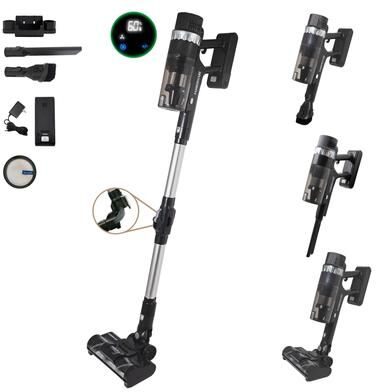
Farberware Cordless Platinum Stick Vacuum Cleaner, Smart Sensor Technology for Carpet and Hard Floors, Bendable DesignFarberware Cordless Platinum Stick Vacuum Cleaner, Smart Sensor Technology for Carpet and Hard Floors, Bendable Design, Converts to Handheld Vacuum Description: Life is messy, but with Farberware’s Cordless Platinum Stick Vacuum, you can tackle every…155,99 $*Shipping: 0,00 $Secure redirect to the provider
-
What is the difference between electronics and technology?
Electronics refers specifically to devices that operate by controlling the flow of electrons, such as computers, smartphones, and televisions. Technology, on the other hand, is a broader term that encompasses a wide range of tools, systems, and methods used to solve problems or achieve goals. While electronics are a subset of technology, technology includes not only electronic devices but also mechanical, digital, and other types of tools and systems. **
-
How are electronics technicians trained for automation technology?
Electronics technicians are trained for automation technology through a combination of formal education and on-the-job training. They typically complete a post-secondary program in electronics or a related field, where they learn about electrical circuits, digital electronics, and control systems. Additionally, they receive specialized training in automation technology, which includes learning about programmable logic controllers (PLCs), industrial robotics, and process control systems. This training may also involve hands-on experience with automation equipment and systems in a lab or industrial setting. Overall, electronics technicians are trained to understand and troubleshoot the complex systems used in automation technology. **
-
Is the electronics technician for automation technology difficult?
Becoming an electronics technician for automation technology can be challenging, as it requires a strong understanding of electrical systems, programming, and automation technology. The field is constantly evolving, so technicians must stay updated on the latest advancements and technologies. However, with dedication and the right training, individuals can develop the skills and knowledge needed to succeed in this role. It may be difficult at times, but the opportunities for growth and the potential to work on cutting-edge technology make it a rewarding career choice for those passionate about automation. **
-
What is better: Industrial electronics technician or electronics technician for energy and building technology?
The choice between an industrial electronics technician and an electronics technician for energy and building technology depends on your career goals and interests. An industrial electronics technician typically works with manufacturing equipment and machinery, while an electronics technician for energy and building technology focuses on electrical systems in buildings and energy infrastructure. If you are interested in working with manufacturing processes and machinery, then industrial electronics technician may be a better fit. However, if you are passionate about sustainable energy and building technology, then electronics technician for energy and building technology may be the better option for you. **
* All prices are inclusive of VAT and, if applicable, plus shipping costs. The offer information is based on the details provided by the respective shop and is updated through automated processes. Real-time updates do not occur, so deviations can occur in individual cases. ** Note: Parts of this content were created by AI.