Buy i8.eu ?
We are moving the project
i8.eu .
Are you interested in purchasing the domain
i8.eu ?
domain@kv-gmbh.de · 0541-91531010
Buy i8.eu ?
Are dogs scavengers?
Yes, dogs are scavengers by nature. They have evolved to scavenge for food in the wild, which is why they may exhibit behaviors such as digging through trash or begging for scraps. However, domesticated dogs are typically fed by their owners and may not need to scavenge for food as much as their wild counterparts. Nonetheless, the scavenging instinct remains a part of their natural behavior. **
Are humans technically considered scavengers?
Humans are not technically considered scavengers. While humans may scavenge for food in certain situations, our primary mode of obtaining food is through hunting, gathering, and agriculture. Scavengers typically rely on feeding off of the remains of dead animals or plants, which is not the main source of sustenance for humans. **
Similar search terms for Scavengers
Top-Angebote
Products related to Scavengers:
-
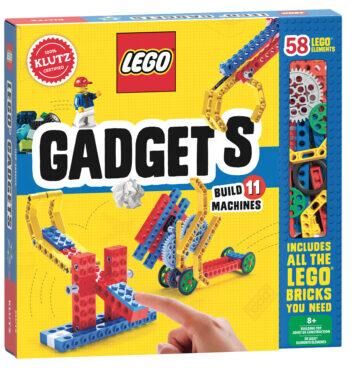
Klutz: LEGO GadgetsThis activity kit will have you building 11 machines including a gravity powered car and a wacky boxing robot. The fun doesn't stop once you've completed all of the projects in the book - open-ended prompts will inspire you to continue experimenting...24,99 $*Shipping: 0,00 $Secure redirect to the provider
-
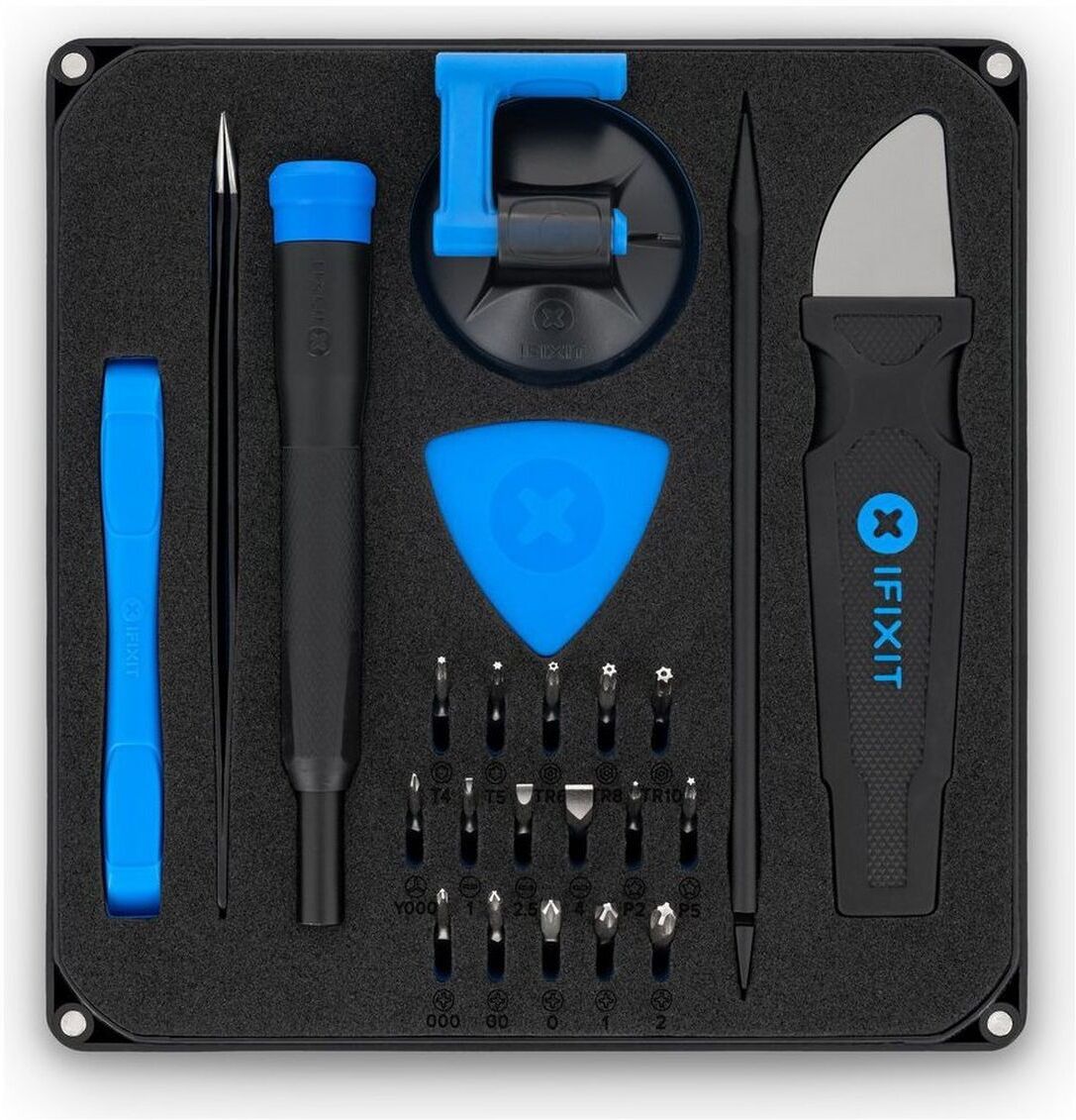
iFixit Essential Electronics ToolkitThe iFixit Essential Electronics Toolkit is a compact starter repair kit for phones, tablets, laptops, game consoles and other small electronics. It includes a precision bit driver with 16 precision bits plus the basic opening and prying tools needed for common repairs such as screen and battery replacements.40,99 £*Shipping: 0,00 £Secure redirect to the provider
-
Smart Shopping Spot Household Kitchen Gadgets, Condiment Bowl Dip Clip, Multi purpose Sauce Dish, Vinegar Seasoning Container Household Kitchen Gadgets, Condiment Bowl Dip Clip, Multi purpose Sauce Dish, Vinegar Seasoning ContainerConvenient and Multifunctional Design: Introducing the 4pcs Condiment Bowl Dip Clip, an essential addition to your kitchen gadgets collection. This versatile sauce dish is perfect for holding everything from tomato sauce to vinegar, making it an...29,97 $*Shipping: 0,00 $Secure redirect to the provider
-
HARPERCOLLINS Creative Confidence by Tom & David Kelley – Unleashing Your Creative Potential & Innovation MindsetA powerful and inspiring book from the founders of IDEO, the award-winning design firm, on unleashing the creativity that lies within each and every one of us. Too often, companies and individuals assume that creativity and innovation are the domain of the ‘creative types’. But two of the foremost experts in innovation, design and creativity on the planet show us that each and every one of us is creative. In an entertaining and inspiring narrative that draws on countless stories from their work at IDEO, and with many of the world's top companies and design firms, David and Tom Kelley identify the principles and strategies that will allow us to tap into our creative potential in our work lives, and in our personal lives, allow us to think outside the box in terms of how we approach and solve problems. ‘Creative Confidence’ is a book that will help each of us be more productive and successful in our lives and in our careers.4,95 £*Shipping: 1,99 £Secure redirect to the provider


-
Is homology or analogy present in all vultures as scavengers?
Homology is present in all vultures as scavengers. This is because all vultures share a common evolutionary ancestor and have similar anatomical features and behaviors that have been adapted for scavenging. These shared characteristics are considered homologous traits. Analogous traits, on the other hand, would be features that have evolved independently in different species to serve a similar function, which is not the case for vultures as scavengers. **
-
Do scavengers have the same teeth and digestive system as omnivores?
Scavengers typically have teeth and digestive systems that are adapted to consume a wide variety of foods, similar to omnivores. However, the specific adaptations can vary depending on the species and their diet. For example, some scavengers may have sharp teeth for tearing into carrion, while others may have grinding teeth for consuming plant matter found in their scavenged meals. Overall, scavengers and omnivores share similarities in their dental and digestive adaptations to help them efficiently process a range of food sources. **
-
Do scavengers like hyenas and vultures have toxic bacteria in their saliva similar to Komodo dragons?
No, scavengers like hyenas and vultures do not have toxic bacteria in their saliva like Komodo dragons. Komodo dragons have a unique oral bacteria that can cause a deadly infection in their prey, while hyenas and vultures do not possess this type of bacteria. Instead, these scavengers have strong stomach acids that help them digest and eliminate any harmful bacteria they may come into contact with while feeding on carrion. **
-
Do scavengers like hyenas and vultures have similar to Komodo dragons poisonous bacteria in their saliva?
No, scavengers like hyenas and vultures do not have similar poisonous bacteria in their saliva like Komodo dragons. Komodo dragons have a unique type of bacteria in their saliva that can cause deadly infections in their prey. Hyenas and vultures rely on their strong stomach acids to digest their food, rather than relying on bacteria in their saliva to weaken their prey. **


Do scavengers like hyenas and vultures have poisonous bacteria in their saliva similar to Komodo dragons?
No, scavengers like hyenas and vultures do not have poisonous bacteria in their saliva like Komodo dragons. Komodo dragons have a unique oral bacteria that can cause deadly infections in their prey, while hyenas and vultures rely on their strong stomach acids to break down and digest their food, which helps prevent the growth of harmful bacteria in their saliva. Scavengers play an important role in the ecosystem by helping to clean up carcasses and prevent the spread of disease. **
How is it possible for bodies to wash up on land, even though there are scavengers in the world's oceans?
Bodies can wash up on land despite the presence of scavengers in the world's oceans due to a variety of factors. For example, strong ocean currents and tides can carry bodies from the ocean to the shore. Additionally, the decomposition process of a body can cause it to bloat and float to the surface, where it can be carried by currents to the shore. In some cases, scavengers may not be able to consume an entire body, leaving parts of it to wash up on land. **
Top-Angebote
Products related to Scavengers:
-
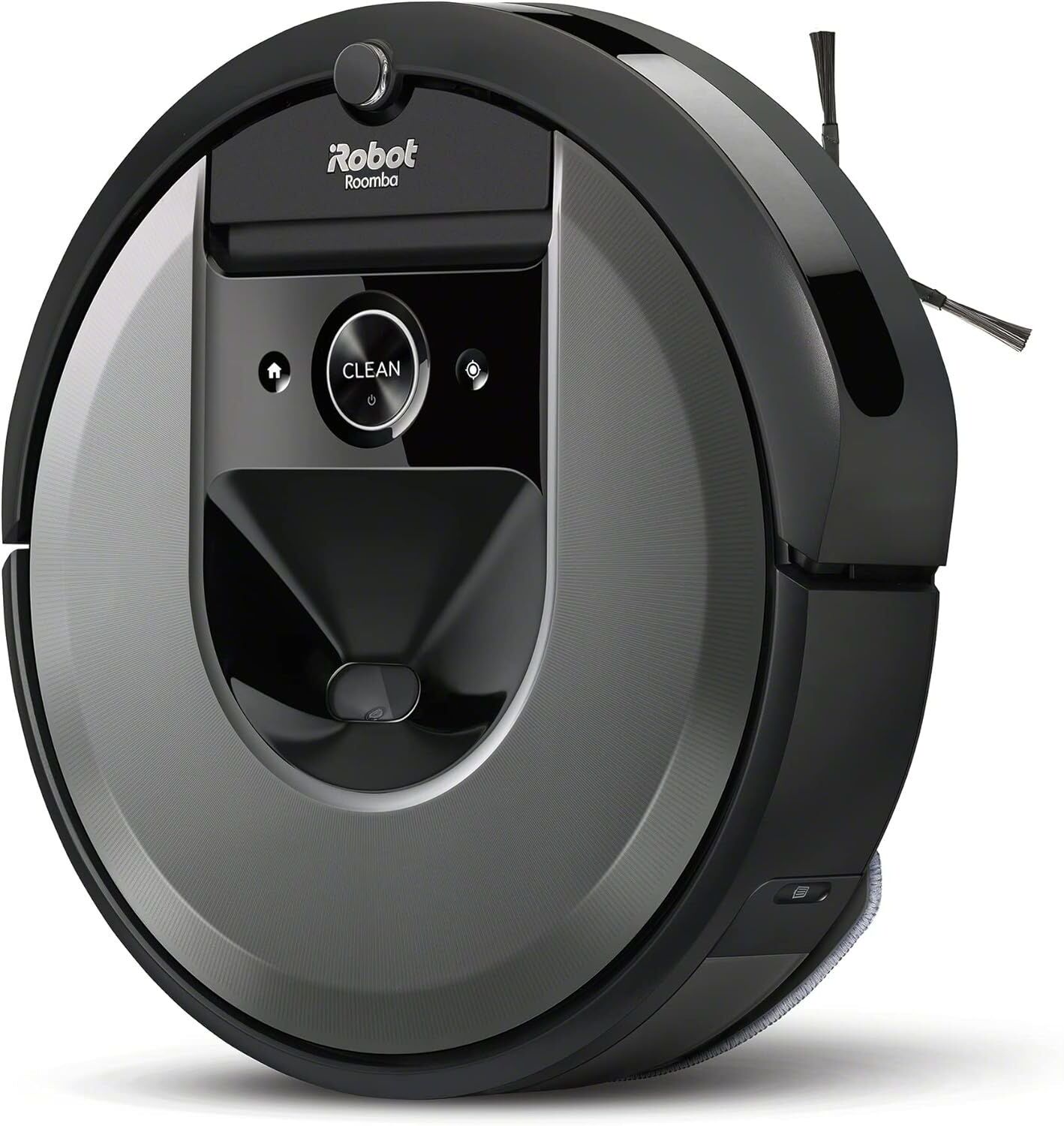
iRobot Roomba Combo i8 Robot Vacuum & Mop – Smart Mapping, Alexa Compatible, New - Outer Box DamagedOverview: The Roomba Combo i8 is designed to handle both vacuuming and mopping in a single run, saving you time while ensuring thorough results. Featuring advanced smart mapping technology, it learns and adapts to your home, allowing you to set cleaning schedules, select specific rooms, and avoid restricted zones. Compatible with Alexa and Google Assistant, you can control it hands-free for ultimate convenience. Key Features: 2-in-1 Cleaning – Vacuums and mops simultaneously. Smart Mapping – Learns your home’s layout for room-by-room cleaning. Voice Control – Works with Alexa and Google Assistant. Powerful Suction – Picks up dirt, dust, and pet hair with ease. Customisable Cleaning – Schedule, target rooms, or set no-go zones. Multi-Surface Cleaning – Ideal for carpets, hard floors, and tiles. Recharge & Resume – Automatically recharges and continues cleaning. App Control – Full customisation and updates via the iRobot Home App. Product Description: The iRobot Roomba Combo i8 Robot Vacuum and Mop combines powerful suction with intelligent mopping to deliver a deeper clean across your home. Its dual functionality allows it to vacuum and mop simultaneously, making it perfect for busy households. With smart mapping, you can direct the robot to clean specific rooms or avoid certain areas. Voice assistant support via Alexa or Google Assistant provides effortless control, while the iRobot Home App lets you schedule and customise cleaning sessions anytime. Designed to handle dirt, dust, and pet hair, the Roomba Combo i8 ensures a cleaner, fresher home with ease.299,00 £*Shipping: 0,00 £Secure redirect to the provider
-
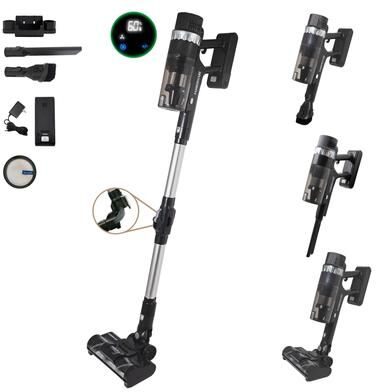
Farberware Cordless Platinum Stick Vacuum Cleaner, Smart Sensor Technology for Carpet and Hard Floors, Bendable DesignFarberware Cordless Platinum Stick Vacuum Cleaner, Smart Sensor Technology for Carpet and Hard Floors, Bendable Design, Converts to Handheld Vacuum Description: Life is messy, but with Farberware’s Cordless Platinum Stick Vacuum, you can tackle every…147,49 $*Shipping: 0,00 $Secure redirect to the provider
-
Klutz: LEGO GadgetsThis activity kit will have you building 11 machines including a gravity powered car and a wacky boxing robot. The fun doesn't stop once you've completed all of the projects in the book - open-ended prompts will inspire you to continue experimenting...24,99 $*Shipping: 0,00 $Secure redirect to the provider
-
iFixit Essential Electronics ToolkitThe iFixit Essential Electronics Toolkit is a compact starter repair kit for phones, tablets, laptops, game consoles and other small electronics. It includes a precision bit driver with 16 precision bits plus the basic opening and prying tools needed for common repairs such as screen and battery replacements.40,99 £*Shipping: 0,00 £Secure redirect to the provider
-
Are dogs scavengers?
Yes, dogs are scavengers by nature. They have evolved to scavenge for food in the wild, which is why they may exhibit behaviors such as digging through trash or begging for scraps. However, domesticated dogs are typically fed by their owners and may not need to scavenge for food as much as their wild counterparts. Nonetheless, the scavenging instinct remains a part of their natural behavior. **
-
Are humans technically considered scavengers?
Humans are not technically considered scavengers. While humans may scavenge for food in certain situations, our primary mode of obtaining food is through hunting, gathering, and agriculture. Scavengers typically rely on feeding off of the remains of dead animals or plants, which is not the main source of sustenance for humans. **
-
Is homology or analogy present in all vultures as scavengers?
Homology is present in all vultures as scavengers. This is because all vultures share a common evolutionary ancestor and have similar anatomical features and behaviors that have been adapted for scavenging. These shared characteristics are considered homologous traits. Analogous traits, on the other hand, would be features that have evolved independently in different species to serve a similar function, which is not the case for vultures as scavengers. **
-
Do scavengers have the same teeth and digestive system as omnivores?
Scavengers typically have teeth and digestive systems that are adapted to consume a wide variety of foods, similar to omnivores. However, the specific adaptations can vary depending on the species and their diet. For example, some scavengers may have sharp teeth for tearing into carrion, while others may have grinding teeth for consuming plant matter found in their scavenged meals. Overall, scavengers and omnivores share similarities in their dental and digestive adaptations to help them efficiently process a range of food sources. **
Similar search terms for Scavengers
-
Smart Shopping Spot Household Kitchen Gadgets, Condiment Bowl Dip Clip, Multi purpose Sauce Dish, Vinegar Seasoning Container Household Kitchen Gadgets, Condiment Bowl Dip Clip, Multi purpose Sauce Dish, Vinegar Seasoning ContainerConvenient and Multifunctional Design: Introducing the 4pcs Condiment Bowl Dip Clip, an essential addition to your kitchen gadgets collection. This versatile sauce dish is perfect for holding everything from tomato sauce to vinegar, making it an...29,97 $*Shipping: 0,00 $Secure redirect to the provider
-
HARPERCOLLINS Creative Confidence by Tom & David Kelley – Unleashing Your Creative Potential & Innovation MindsetA powerful and inspiring book from the founders of IDEO, the award-winning design firm, on unleashing the creativity that lies within each and every one of us. Too often, companies and individuals assume that creativity and innovation are the domain of the ‘creative types’. But two of the foremost experts in innovation, design and creativity on the planet show us that each and every one of us is creative. In an entertaining and inspiring narrative that draws on countless stories from their work at IDEO, and with many of the world's top companies and design firms, David and Tom Kelley identify the principles and strategies that will allow us to tap into our creative potential in our work lives, and in our personal lives, allow us to think outside the box in terms of how we approach and solve problems. ‘Creative Confidence’ is a book that will help each of us be more productive and successful in our lives and in our careers.4,95 £*Shipping: 1,99 £Secure redirect to the provider
-
Nonin Medical NoninConnect™ Finger Pulse Oximeter with Bluetooth® Smart Wireless Technology""" NoninConnect™ Finger Pulse Oximeter with Bluetooth® Smart Wireless Technology for Clinicians and Patients — Nonin TruO2® OTC 3250 (OTC, No Prescription Required) The NoninConnect™ finger pulse oximeter is an over-the-counter (OTC) device , made..."299,00 $*Shipping: 0,00 $Secure redirect to the provider
-
Do scavengers like hyenas and vultures have toxic bacteria in their saliva similar to Komodo dragons?
No, scavengers like hyenas and vultures do not have toxic bacteria in their saliva like Komodo dragons. Komodo dragons have a unique oral bacteria that can cause a deadly infection in their prey, while hyenas and vultures do not possess this type of bacteria. Instead, these scavengers have strong stomach acids that help them digest and eliminate any harmful bacteria they may come into contact with while feeding on carrion. **
-
Do scavengers like hyenas and vultures have similar to Komodo dragons poisonous bacteria in their saliva?
No, scavengers like hyenas and vultures do not have similar poisonous bacteria in their saliva like Komodo dragons. Komodo dragons have a unique type of bacteria in their saliva that can cause deadly infections in their prey. Hyenas and vultures rely on their strong stomach acids to digest their food, rather than relying on bacteria in their saliva to weaken their prey. **
-
Do scavengers like hyenas and vultures have poisonous bacteria in their saliva similar to Komodo dragons?
No, scavengers like hyenas and vultures do not have poisonous bacteria in their saliva like Komodo dragons. Komodo dragons have a unique oral bacteria that can cause deadly infections in their prey, while hyenas and vultures rely on their strong stomach acids to break down and digest their food, which helps prevent the growth of harmful bacteria in their saliva. Scavengers play an important role in the ecosystem by helping to clean up carcasses and prevent the spread of disease. **
-
How is it possible for bodies to wash up on land, even though there are scavengers in the world's oceans?
Bodies can wash up on land despite the presence of scavengers in the world's oceans due to a variety of factors. For example, strong ocean currents and tides can carry bodies from the ocean to the shore. Additionally, the decomposition process of a body can cause it to bloat and float to the surface, where it can be carried by currents to the shore. In some cases, scavengers may not be able to consume an entire body, leaving parts of it to wash up on land. **
* All prices are inclusive of VAT and, if applicable, plus shipping costs. The offer information is based on the details provided by the respective shop and is updated through automated processes. Real-time updates do not occur, so deviations can occur in individual cases. ** Note: Parts of this content were created by AI.