Buy i8.eu ?
We are moving the project
i8.eu .
Are you interested in purchasing the domain
i8.eu ?
domain@kv-gmbh.de · 0541-91531010
Buy i8.eu ?
What is thermal resistance in electronics?
Thermal resistance in electronics refers to the measure of how a material or component resists the flow of heat. It is important in electronics to manage heat dissipation to prevent overheating and ensure the proper functioning of components. Thermal resistance is typically measured in degrees Celsius per watt (°C/W) and is used to calculate the temperature rise of a component for a given power input. Lower thermal resistance values indicate better heat dissipation capabilities. **
Among which thermal pads is thermal paste used?
Thermal paste is typically used between the CPU and the heatsink to improve heat transfer. It is not used with thermal pads, as thermal pads are pre-applied or placed between components where a more solid interface is needed. Thermal paste is a better choice for areas where there are small gaps or uneven surfaces that need to be filled for optimal heat dissipation. **

Similar search terms for Star-Micronics-TSP143IIU-Thermal
Top-Angebote
Products related to Star-Micronics-TSP143IIU-Thermal:
-
Star Micronics mC-Print3 MCP31CBI BK E+U 80mm Thermal Receipt Printer, USB-C, USB-A, CloudPRNT - BlackStar Micronics mC-Print3 (MCP31CBI BK E+U) 80 mm thermal POS receipt printer with USB-C and USB-A connectivity and CloudPRNT support. Black, EU/UK version with power supply included.382,49 £*Shipping: 0,00 £Secure redirect to the provider
-
Star Micronics mPOP POP10CI 58mm Receipt Printer and Cash Drawer, USB-C, WhiteStar Micronics mPOP POP10CI: a combined cash drawer and 2-inch (58mm) thermal receipt printer in white, with a USB-C "Data & Charge" connection for iOS devices. UK/EU version.419,99 £*Shipping: 0,00 £Secure redirect to the provider


-
Would this design be suitable for Star Wars?
Yes, this design would be suitable for Star Wars. The futuristic and sleek aesthetic of the design aligns with the visual style of the Star Wars universe. The use of metallic and angular elements also fits well with the technology and architecture seen in the franchise. Additionally, the dynamic and powerful energy of the design would be a good fit for the epic and adventurous storytelling of Star Wars. **
-
How do you design a Star Trek room?
Designing a Star Trek room involves incorporating elements from the iconic science fiction franchise. Start by choosing a color scheme that reflects the futuristic and space-themed aesthetic of Star Trek, such as metallic tones and deep blues. Incorporate Star Trek memorabilia, such as posters, action figures, and replica props, to create an immersive experience. Consider adding futuristic furniture and lighting to enhance the overall theme. Additionally, incorporating sound effects and interactive elements, such as a starship control panel or a replica transporter, can further enhance the room's Star Trek theme. **
-
Should one use a thermal pad instead of thermal paste?
Whether to use a thermal pad or thermal paste depends on the specific application and personal preference. Thermal pads are convenient and easy to use, making them a good choice for beginners or for situations where precision application is difficult. However, thermal paste generally provides better thermal conductivity and is often preferred for high-performance applications such as gaming PCs or overclocking. Ultimately, the decision should be based on the specific requirements of the hardware and the user's level of expertise. **
-
What is the difference between thermal energy and thermal power?
Thermal energy refers to the internal energy present in a system due to the motion and interaction of its particles. It is a measure of the total kinetic and potential energy of the particles in a substance. On the other hand, thermal power refers to the rate at which thermal energy is transferred or converted into other forms of energy, such as mechanical or electrical energy. It is a measure of the amount of thermal energy transferred per unit of time. In summary, thermal energy is the total energy present in a system, while thermal power is the rate at which thermal energy is transferred or converted. **

What is the difference between convection, thermal radiation, and thermal conduction?
Convection is the transfer of heat through the movement of fluids (liquids or gases) due to differences in temperature. Thermal radiation is the transfer of heat in the form of electromagnetic waves, such as infrared radiation, without the need for a medium. Thermal conduction is the transfer of heat through a material without any movement of the material itself, as heat is transferred through direct contact between molecules. Each of these processes plays a role in how heat is transferred in different scenarios. **
Where is thermal radiation used in everyday life or in technology, for example?
Thermal radiation is used in everyday life and technology in various ways. In everyday life, thermal radiation is used in cooking, as the heat from a stove or oven radiates to cook food. In technology, thermal radiation is used in infrared heaters, which emit infrared radiation to heat objects and people directly, without heating the surrounding air. Thermal radiation is also used in thermal imaging cameras, which detect and visualize the heat emitted by objects and living organisms. **
Top-Angebote
Products related to Star-Micronics-TSP143IIU-Thermal:
-
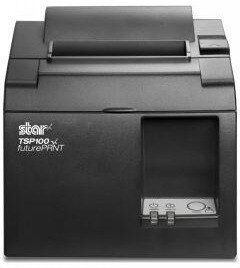
Star Micronics TSP143IIU+ Thermal Receipt Printer with Cutter, USB - Grey (EU)Thermal, TSP143IIU+ futurePRNT, 80mm Wide Paper, 24VDC Internal Power Supply, Cutter, Classic USB Interface Printer, Grey Case, EU Version Fast 200mm/s USB receipt printer 80mm paper width with paper saving features Easy-Load “Drop-In & Print” paper loading Internal power supply All set-up accessories are included in the box at purchase Unique futurePRNT software included Autocutter as standard (high quality guillotine cutter) Energy Star compliant160,99 £*Shipping: 0,00 £Secure redirect to the provider
-
Star Micronics mC-Print3 MCP31CBI BK E+U 80mm Thermal Receipt Printer, USB-C, USB-A, CloudPRNT - BlackStar Micronics mC-Print3 (MCP31CBI BK E+U) 80 mm thermal POS receipt printer with USB-C and USB-A connectivity and CloudPRNT support. Black, EU/UK version with power supply included.382,49 £*Shipping: 0,00 £Secure redirect to the provider
-
What is thermal resistance in electronics?
Thermal resistance in electronics refers to the measure of how a material or component resists the flow of heat. It is important in electronics to manage heat dissipation to prevent overheating and ensure the proper functioning of components. Thermal resistance is typically measured in degrees Celsius per watt (°C/W) and is used to calculate the temperature rise of a component for a given power input. Lower thermal resistance values indicate better heat dissipation capabilities. **
-
Among which thermal pads is thermal paste used?
Thermal paste is typically used between the CPU and the heatsink to improve heat transfer. It is not used with thermal pads, as thermal pads are pre-applied or placed between components where a more solid interface is needed. Thermal paste is a better choice for areas where there are small gaps or uneven surfaces that need to be filled for optimal heat dissipation. **
-
Would this design be suitable for Star Wars?
Yes, this design would be suitable for Star Wars. The futuristic and sleek aesthetic of the design aligns with the visual style of the Star Wars universe. The use of metallic and angular elements also fits well with the technology and architecture seen in the franchise. Additionally, the dynamic and powerful energy of the design would be a good fit for the epic and adventurous storytelling of Star Wars. **
-
How do you design a Star Trek room?
Designing a Star Trek room involves incorporating elements from the iconic science fiction franchise. Start by choosing a color scheme that reflects the futuristic and space-themed aesthetic of Star Trek, such as metallic tones and deep blues. Incorporate Star Trek memorabilia, such as posters, action figures, and replica props, to create an immersive experience. Consider adding futuristic furniture and lighting to enhance the overall theme. Additionally, incorporating sound effects and interactive elements, such as a starship control panel or a replica transporter, can further enhance the room's Star Trek theme. **
Similar search terms for Star-Micronics-TSP143IIU-Thermal
-
Star Micronics mPOP POP10CI 58mm Receipt Printer and Cash Drawer, USB-C, WhiteStar Micronics mPOP POP10CI: a combined cash drawer and 2-inch (58mm) thermal receipt printer in white, with a USB-C "Data & Charge" connection for iOS devices. UK/EU version.419,99 £*Shipping: 0,00 £Secure redirect to the provider
-
Should one use a thermal pad instead of thermal paste?
Whether to use a thermal pad or thermal paste depends on the specific application and personal preference. Thermal pads are convenient and easy to use, making them a good choice for beginners or for situations where precision application is difficult. However, thermal paste generally provides better thermal conductivity and is often preferred for high-performance applications such as gaming PCs or overclocking. Ultimately, the decision should be based on the specific requirements of the hardware and the user's level of expertise. **
-
What is the difference between thermal energy and thermal power?
Thermal energy refers to the internal energy present in a system due to the motion and interaction of its particles. It is a measure of the total kinetic and potential energy of the particles in a substance. On the other hand, thermal power refers to the rate at which thermal energy is transferred or converted into other forms of energy, such as mechanical or electrical energy. It is a measure of the amount of thermal energy transferred per unit of time. In summary, thermal energy is the total energy present in a system, while thermal power is the rate at which thermal energy is transferred or converted. **
-
What is the difference between convection, thermal radiation, and thermal conduction?
Convection is the transfer of heat through the movement of fluids (liquids or gases) due to differences in temperature. Thermal radiation is the transfer of heat in the form of electromagnetic waves, such as infrared radiation, without the need for a medium. Thermal conduction is the transfer of heat through a material without any movement of the material itself, as heat is transferred through direct contact between molecules. Each of these processes plays a role in how heat is transferred in different scenarios. **
-
Where is thermal radiation used in everyday life or in technology, for example?
Thermal radiation is used in everyday life and technology in various ways. In everyday life, thermal radiation is used in cooking, as the heat from a stove or oven radiates to cook food. In technology, thermal radiation is used in infrared heaters, which emit infrared radiation to heat objects and people directly, without heating the surrounding air. Thermal radiation is also used in thermal imaging cameras, which detect and visualize the heat emitted by objects and living organisms. **
* All prices are inclusive of VAT and, if applicable, plus shipping costs. The offer information is based on the details provided by the respective shop and is updated through automated processes. Real-time updates do not occur, so deviations can occur in individual cases. ** Note: Parts of this content were created by AI.