Buy i8.eu ?
We are moving the project
i8.eu .
Are you interested in purchasing the domain
i8.eu ?
domain@kv-gmbh.de · 0541-91531010
Buy i8.eu ?
Why do you put commas before "wieso"?
Commas are placed before "wieso" because it is an introductory word that introduces a question or a statement. The comma helps to separate the introductory word from the rest of the sentence, making it easier for the reader to understand the structure of the sentence. Additionally, using a comma before "wieso" helps to indicate a pause in the sentence, emphasizing the question or statement that follows. **
Why do you use commas before "wieso"?
Commas are used before "wieso" to indicate a pause in the sentence. This helps to separate the introductory word "wieso" from the rest of the sentence, making it clearer for the reader where the question or explanation begins. Additionally, using commas before "wieso" follows the standard punctuation rules in German grammar. **
Similar search terms for Wieso
Top-Angebote
Products related to Wieso:
-
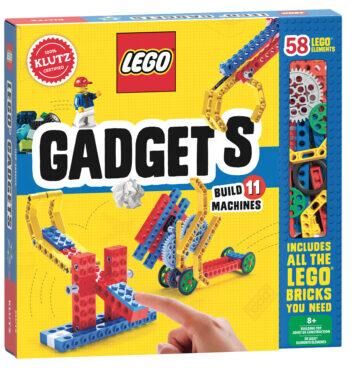
Klutz: LEGO GadgetsThis activity kit will have you building 11 machines including a gravity powered car and a wacky boxing robot. The fun doesn't stop once you've completed all of the projects in the book - open-ended prompts will inspire you to continue experimenting...24,99 $*Shipping: 0,00 $Secure redirect to the provider
-
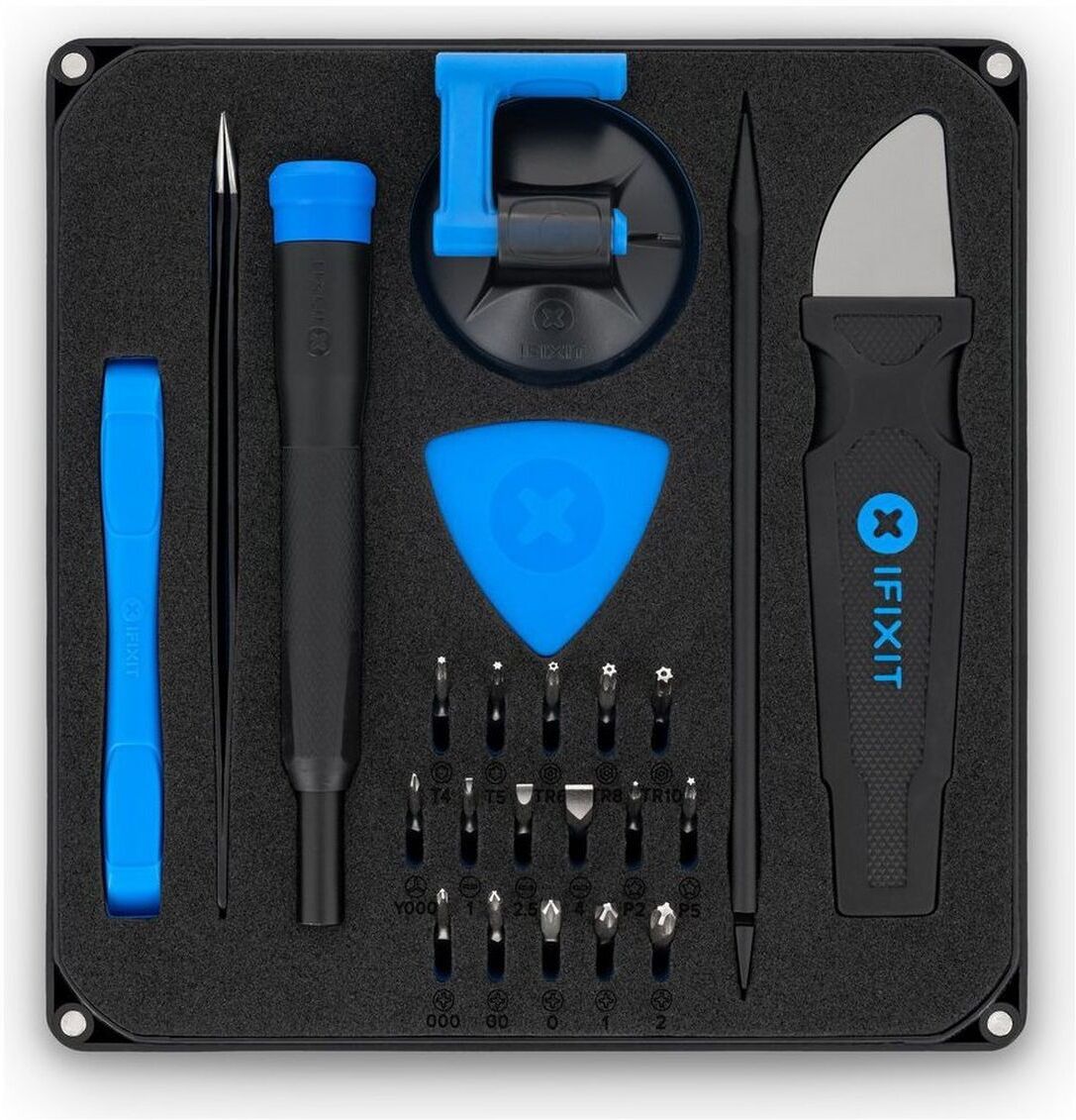
iFixit Essential Electronics ToolkitThe iFixit Essential Electronics Toolkit is a compact starter repair kit for phones, tablets, laptops, game consoles and other small electronics. It includes a precision bit driver with 16 precision bits plus the basic opening and prying tools needed for common repairs such as screen and battery replacements.40,99 £*Shipping: 0,00 £Secure redirect to the provider
-
Smart Shopping Spot Household Kitchen Gadgets, Condiment Bowl Dip Clip, Multi purpose Sauce Dish, Vinegar Seasoning Container Household Kitchen Gadgets, Condiment Bowl Dip Clip, Multi purpose Sauce Dish, Vinegar Seasoning ContainerConvenient and Multifunctional Design: Introducing the 4pcs Condiment Bowl Dip Clip, an essential addition to your kitchen gadgets collection. This versatile sauce dish is perfect for holding everything from tomato sauce to vinegar, making it an...29,97 $*Shipping: 0,00 $Secure redirect to the provider
-
HARPERCOLLINS Creative Confidence by Tom & David Kelley – Unleashing Your Creative Potential & Innovation MindsetA powerful and inspiring book from the founders of IDEO, the award-winning design firm, on unleashing the creativity that lies within each and every one of us. Too often, companies and individuals assume that creativity and innovation are the domain of the ‘creative types’. But two of the foremost experts in innovation, design and creativity on the planet show us that each and every one of us is creative. In an entertaining and inspiring narrative that draws on countless stories from their work at IDEO, and with many of the world's top companies and design firms, David and Tom Kelley identify the principles and strategies that will allow us to tap into our creative potential in our work lives, and in our personal lives, allow us to think outside the box in terms of how we approach and solve problems. ‘Creative Confidence’ is a book that will help each of us be more productive and successful in our lives and in our careers.4,95 £*Shipping: 1,99 £Secure redirect to the provider


-
Why do we use commas before "wieso"?
Commas are used before "wieso" in German to indicate a pause in the sentence and to separate the introductory word from the rest of the sentence. This helps to make the sentence clearer and easier to understand for the reader. Additionally, using commas before "wieso" follows the standard punctuation rules in German grammar. **
-
What is the difference between 'wieso' and 'warum'?
"Wieso" and "warum" are both used to ask why, but there is a slight difference in their usage. "Wieso" is more informal and is often used in spoken language, while "warum" is more formal and commonly used in written language. Additionally, "wieso" often implies a sense of surprise or disbelief, while "warum" is more neutral in tone. **
-
What is the difference between "wieso" and "warum"?
"Wieso" and "warum" are both used to ask why, but there is a slight difference in their usage. "Warum" is more formal and is used to ask for the reason or cause behind something. On the other hand, "wieso" is more informal and is often used to express surprise or disbelief, similar to saying "how come" in English. Both words can be used interchangeably in many contexts, but "wieso" may convey a slightly more emotional tone. **
-
What is the difference between the questions "wieso," "weshalb," and "warum"?
"Wieso," "weshalb," and "warum" are all German words that can be translated to "why" in English. However, there are subtle differences in their usage. "Wieso" and "weshalb" are more informal and are often used interchangeably, while "warum" is more formal and is used in written language or in formal speech. Additionally, "wieso" and "weshalb" are often used to ask for reasons or explanations, while "warum" can also be used to ask for the cause or purpose of something. **


What is the difference between the question words "warum," "wieso," "weshalb," and "weswegen"?
All four words, "warum," "wieso," "weshalb," and "weswegen," are used to ask why in German. However, "warum" is the most common and neutral term for asking why. "Wieso" is more informal and is often used in spoken language. "Weshalb" is a bit more formal and is commonly used in written German. "Weswegen" is less common and tends to be used in more formal or literary contexts. **
Is the saying "Wieso, weshalb, warum, wer nicht fragt, bleibt dumm" in English?
Yes, the saying "Wieso, weshalb, warum, wer nicht fragt, bleibt dumm" can be translated to English as "Why, why, why, if you don't ask, you stay dumb." This saying emphasizes the importance of asking questions in order to gain knowledge and understanding. It encourages people to be curious and inquisitive in order to learn and grow. **
Top-Angebote
Products related to Wieso:
-
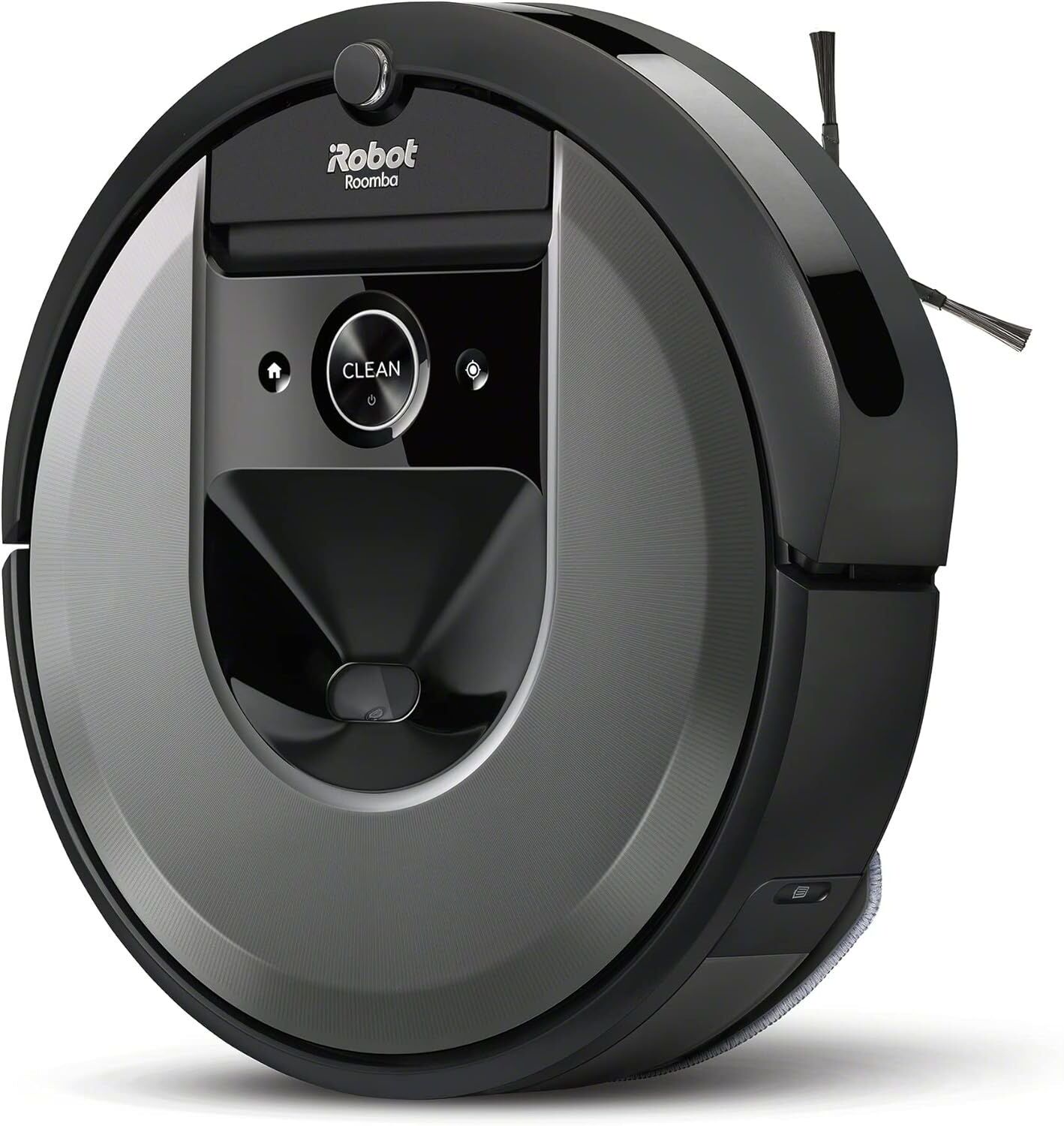
iRobot Roomba Combo i8 Robot Vacuum & Mop – Smart Mapping, Alexa Compatible, New - Outer Box DamagedOverview: The Roomba Combo i8 is designed to handle both vacuuming and mopping in a single run, saving you time while ensuring thorough results. Featuring advanced smart mapping technology, it learns and adapts to your home, allowing you to set cleaning schedules, select specific rooms, and avoid restricted zones. Compatible with Alexa and Google Assistant, you can control it hands-free for ultimate convenience. Key Features: 2-in-1 Cleaning – Vacuums and mops simultaneously. Smart Mapping – Learns your home’s layout for room-by-room cleaning. Voice Control – Works with Alexa and Google Assistant. Powerful Suction – Picks up dirt, dust, and pet hair with ease. Customisable Cleaning – Schedule, target rooms, or set no-go zones. Multi-Surface Cleaning – Ideal for carpets, hard floors, and tiles. Recharge & Resume – Automatically recharges and continues cleaning. App Control – Full customisation and updates via the iRobot Home App. Product Description: The iRobot Roomba Combo i8 Robot Vacuum and Mop combines powerful suction with intelligent mopping to deliver a deeper clean across your home. Its dual functionality allows it to vacuum and mop simultaneously, making it perfect for busy households. With smart mapping, you can direct the robot to clean specific rooms or avoid certain areas. Voice assistant support via Alexa or Google Assistant provides effortless control, while the iRobot Home App lets you schedule and customise cleaning sessions anytime. Designed to handle dirt, dust, and pet hair, the Roomba Combo i8 ensures a cleaner, fresher home with ease.299,00 £*Shipping: 0,00 £Secure redirect to the provider
-
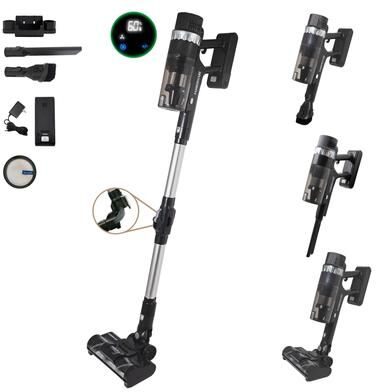
Farberware Cordless Platinum Stick Vacuum Cleaner, Smart Sensor Technology for Carpet and Hard Floors, Bendable DesignFarberware Cordless Platinum Stick Vacuum Cleaner, Smart Sensor Technology for Carpet and Hard Floors, Bendable Design, Converts to Handheld Vacuum Description: Life is messy, but with Farberware’s Cordless Platinum Stick Vacuum, you can tackle every…147,49 $*Shipping: 0,00 $Secure redirect to the provider
-
Klutz: LEGO GadgetsThis activity kit will have you building 11 machines including a gravity powered car and a wacky boxing robot. The fun doesn't stop once you've completed all of the projects in the book - open-ended prompts will inspire you to continue experimenting...24,99 $*Shipping: 0,00 $Secure redirect to the provider
-
iFixit Essential Electronics ToolkitThe iFixit Essential Electronics Toolkit is a compact starter repair kit for phones, tablets, laptops, game consoles and other small electronics. It includes a precision bit driver with 16 precision bits plus the basic opening and prying tools needed for common repairs such as screen and battery replacements.40,99 £*Shipping: 0,00 £Secure redirect to the provider
-
Why do you put commas before "wieso"?
Commas are placed before "wieso" because it is an introductory word that introduces a question or a statement. The comma helps to separate the introductory word from the rest of the sentence, making it easier for the reader to understand the structure of the sentence. Additionally, using a comma before "wieso" helps to indicate a pause in the sentence, emphasizing the question or statement that follows. **
-
Why do you use commas before "wieso"?
Commas are used before "wieso" to indicate a pause in the sentence. This helps to separate the introductory word "wieso" from the rest of the sentence, making it clearer for the reader where the question or explanation begins. Additionally, using commas before "wieso" follows the standard punctuation rules in German grammar. **
-
Why do we use commas before "wieso"?
Commas are used before "wieso" in German to indicate a pause in the sentence and to separate the introductory word from the rest of the sentence. This helps to make the sentence clearer and easier to understand for the reader. Additionally, using commas before "wieso" follows the standard punctuation rules in German grammar. **
-
What is the difference between 'wieso' and 'warum'?
"Wieso" and "warum" are both used to ask why, but there is a slight difference in their usage. "Wieso" is more informal and is often used in spoken language, while "warum" is more formal and commonly used in written language. Additionally, "wieso" often implies a sense of surprise or disbelief, while "warum" is more neutral in tone. **
Similar search terms for Wieso
-
Smart Shopping Spot Household Kitchen Gadgets, Condiment Bowl Dip Clip, Multi purpose Sauce Dish, Vinegar Seasoning Container Household Kitchen Gadgets, Condiment Bowl Dip Clip, Multi purpose Sauce Dish, Vinegar Seasoning ContainerConvenient and Multifunctional Design: Introducing the 4pcs Condiment Bowl Dip Clip, an essential addition to your kitchen gadgets collection. This versatile sauce dish is perfect for holding everything from tomato sauce to vinegar, making it an...29,97 $*Shipping: 0,00 $Secure redirect to the provider
-
HARPERCOLLINS Creative Confidence by Tom & David Kelley – Unleashing Your Creative Potential & Innovation MindsetA powerful and inspiring book from the founders of IDEO, the award-winning design firm, on unleashing the creativity that lies within each and every one of us. Too often, companies and individuals assume that creativity and innovation are the domain of the ‘creative types’. But two of the foremost experts in innovation, design and creativity on the planet show us that each and every one of us is creative. In an entertaining and inspiring narrative that draws on countless stories from their work at IDEO, and with many of the world's top companies and design firms, David and Tom Kelley identify the principles and strategies that will allow us to tap into our creative potential in our work lives, and in our personal lives, allow us to think outside the box in terms of how we approach and solve problems. ‘Creative Confidence’ is a book that will help each of us be more productive and successful in our lives and in our careers.4,95 £*Shipping: 1,99 £Secure redirect to the provider
-
Nonin Medical NoninConnect™ Finger Pulse Oximeter with Bluetooth® Smart Wireless Technology""" NoninConnect™ Finger Pulse Oximeter with Bluetooth® Smart Wireless Technology for Clinicians and Patients — Nonin TruO2® OTC 3250 (OTC, No Prescription Required) The NoninConnect™ finger pulse oximeter is an over-the-counter (OTC) device , made..."299,00 $*Shipping: 0,00 $Secure redirect to the provider
-
What is the difference between "wieso" and "warum"?
"Wieso" and "warum" are both used to ask why, but there is a slight difference in their usage. "Warum" is more formal and is used to ask for the reason or cause behind something. On the other hand, "wieso" is more informal and is often used to express surprise or disbelief, similar to saying "how come" in English. Both words can be used interchangeably in many contexts, but "wieso" may convey a slightly more emotional tone. **
-
What is the difference between the questions "wieso," "weshalb," and "warum"?
"Wieso," "weshalb," and "warum" are all German words that can be translated to "why" in English. However, there are subtle differences in their usage. "Wieso" and "weshalb" are more informal and are often used interchangeably, while "warum" is more formal and is used in written language or in formal speech. Additionally, "wieso" and "weshalb" are often used to ask for reasons or explanations, while "warum" can also be used to ask for the cause or purpose of something. **
-
What is the difference between the question words "warum," "wieso," "weshalb," and "weswegen"?
All four words, "warum," "wieso," "weshalb," and "weswegen," are used to ask why in German. However, "warum" is the most common and neutral term for asking why. "Wieso" is more informal and is often used in spoken language. "Weshalb" is a bit more formal and is commonly used in written German. "Weswegen" is less common and tends to be used in more formal or literary contexts. **
-
Is the saying "Wieso, weshalb, warum, wer nicht fragt, bleibt dumm" in English?
Yes, the saying "Wieso, weshalb, warum, wer nicht fragt, bleibt dumm" can be translated to English as "Why, why, why, if you don't ask, you stay dumb." This saying emphasizes the importance of asking questions in order to gain knowledge and understanding. It encourages people to be curious and inquisitive in order to learn and grow. **
* All prices are inclusive of VAT and, if applicable, plus shipping costs. The offer information is based on the details provided by the respective shop and is updated through automated processes. Real-time updates do not occur, so deviations can occur in individual cases. ** Note: Parts of this content were created by AI.